What’s the Best Way to Manage Safety Across Different Sites?
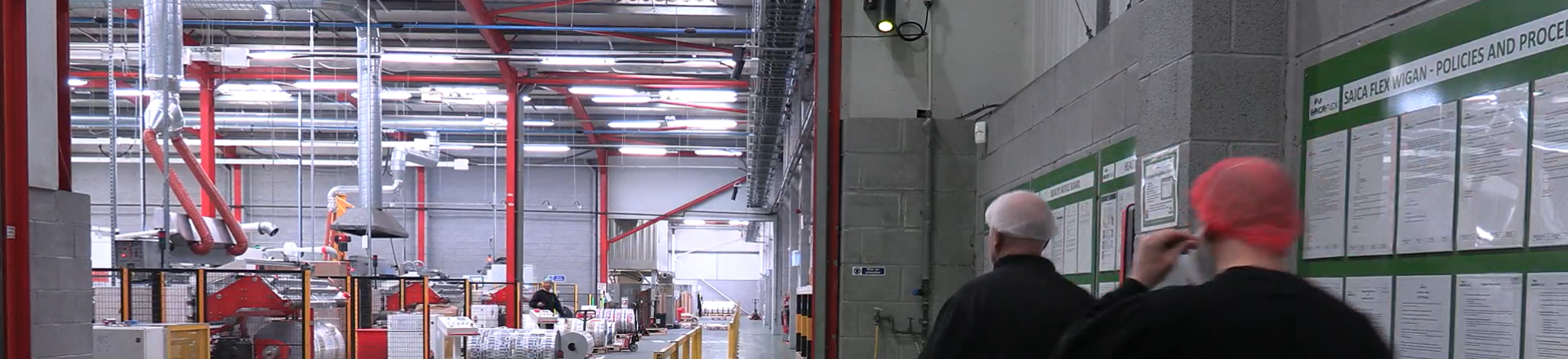
If you’re responsible for multiple sites, whether warehouses, factories, or logistics hubs, you know the real challenge is consistency.
Every facility is different: one might be a brand-new, purpose-built distribution centre, while another is an older site with tighter aisles and outdated infrastructure.
So how do you create a single, reliable standard for workplace safety across such varied environments? The answer is to establish a clear safety control standard, then adapt it to each site’s unique conditions.
In this guide, we’ll break down five practical steps to help EHS leaders align safety across multiple sites without losing clarity or control.
1. Start with a Control Standard That Works Everywhere

Before rolling out solutions, define your “non-negotiables” — the safety elements that every site must have, regardless of size or layout. This might include:
- Forklift access control systems so only trained and authorised staff operate vehicles.
- Clear hazard zone marking using projected LED signage to replace worn floor stickers and keep warnings highly visible.
- Proximity detection and collision avoidance systems using LIDAR or radar to monitor pedestrian-vehicle interactions and trigger alerts before contact.
By standardising on proven safety technologies, you avoid the patchwork of different systems that often arises when sites buy piecemeal.
2. Adapt for Each Site Without Losing Consistency

While your baseline safety standards stay consistent, no two sites are exactly the same. Differences in building age, layout, available space, and operational setup mean each site presents its own challenges.
For example:
- A brand-new warehouse may have wide aisles and modern lighting. An older facility might have tight corridors or outdated infrastructure.
- Some sites may have limited space for physical barriers, requiring different solutions like visual warnings or zoning.
- The level of foot traffic, equipment use, and shift patterns can also vary widely across locations.
To maintain safety without disrupting efficiency, apply your standards flexibly. Adjust tools, signage placement, or hazard controls to fit each site’s unique environment. This keeps your workplace safety program consistent in intent but tailored in execution.
3. Use Technology That Reduces Manual Oversight
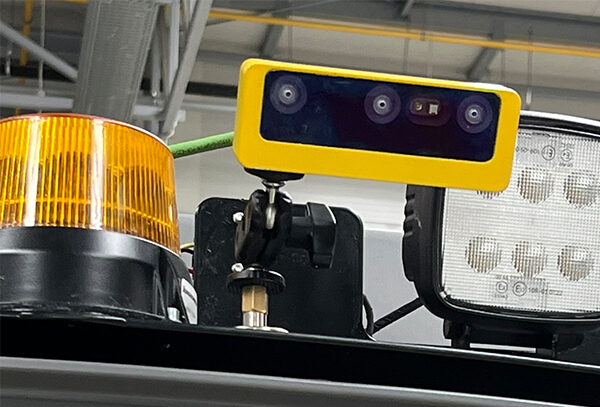
Manual safety processes are prone to error and often require significant supervision. Where possible, shift toward automated safety solutions that support consistency and reduce human error.
Examples include:
- Automated visual warnings such as LED gobo projectors that activate only when hazards are present, improving impact without constant human checks.
- AI-enabled safety cameras that detect body parts, not just movement, reducing false alarms and maintaining trust in alerts.
- Fleet and operator monitoring software to log usage, near misses, and impacts automatically, giving managers actionable data.
4. Make Safety Changes Easy to Maintain

Standardised safety is only sustainable if it’s easy to maintain. Choose tools and processes that reduce downtime and make ongoing compliance simple.
Ideas to support this include:
- Choosing low-maintenance, fanless projection units with long service life.
- Using in-house line marking machines so sites can refresh safety lines without waiting for contractors.
- Installing high-durability safety barriers that can withstand first impacts without immediate replacement.

5. Audit Without Disrupting Work


Regular safety surveys, digital or on-site, help confirm every site is aligned without halting operations. Remote or AI-assisted surveys can identify hazards in real time, avoiding the stop-start inefficiencies of traditional audits.
Bottom Line
Standardising safety across multiple warehouses or sites does not mean introducing bureaucracy or delays.
By creating a clear safety baseline, adapting to site-specific needs, automating processes, simplifying maintenance, and using smart audit tools, you can build a consistent, efficient, and safe workplace that supports both compliance and productivity.
If you require any more guidance, remember you can reach out to WSS directly today for more expert workplace and facility safety advice.
Back to blog“In this guide, we’ll break down five practical steps...”
Ready to start investing in your safety? Our team of experts is available to help you plan, structure and build your project.
Contact UsWhat’s the Best Way to Manage Safety Across Different Sites?


