

Solutions/Active safety/Projected Safety Markings

Projected Safety Markings

High-visibility LED warnings and floor markings that stay clear, dynamic and visible in demanding workplace environments.

Overview

What are Projected Safety Markings?

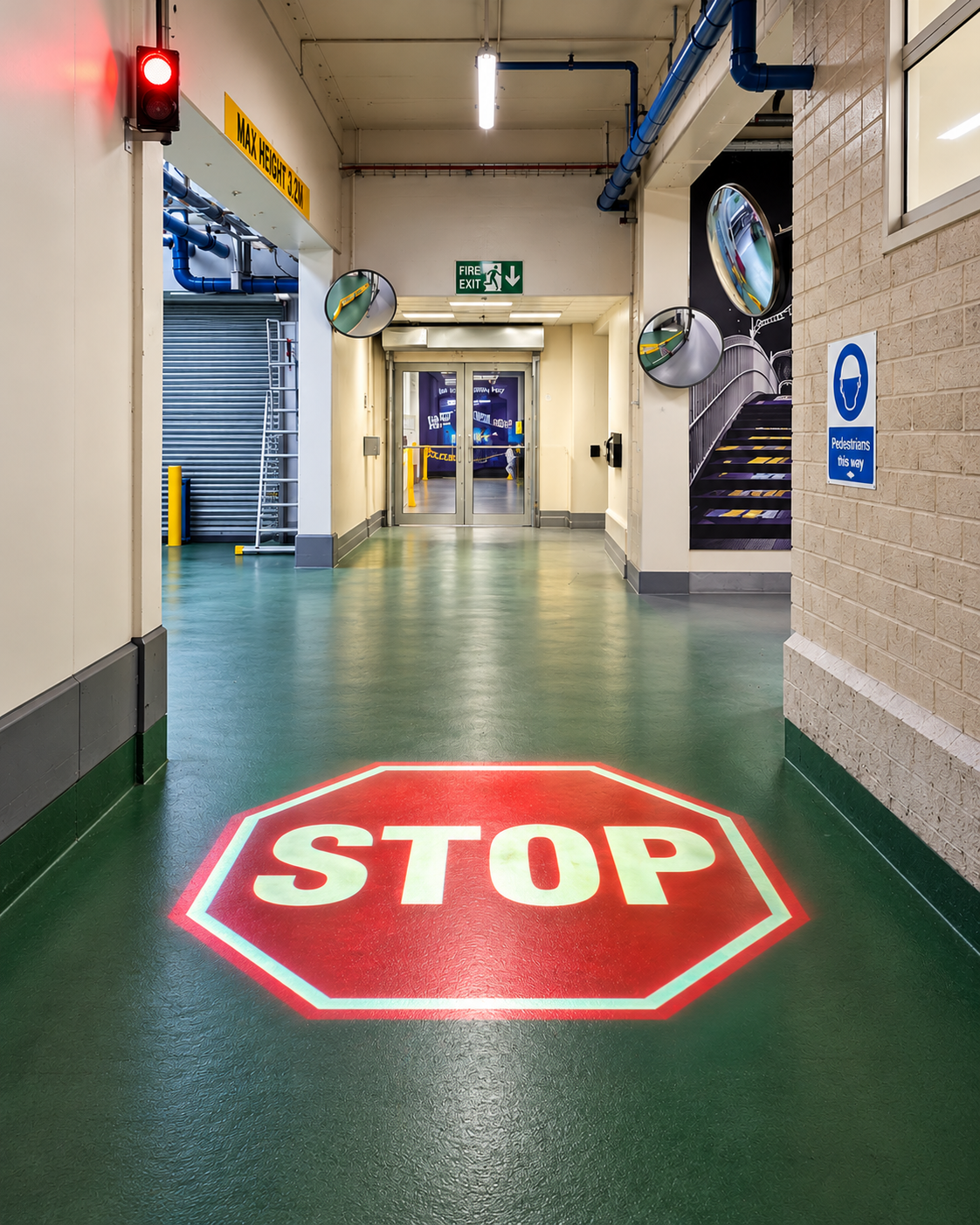
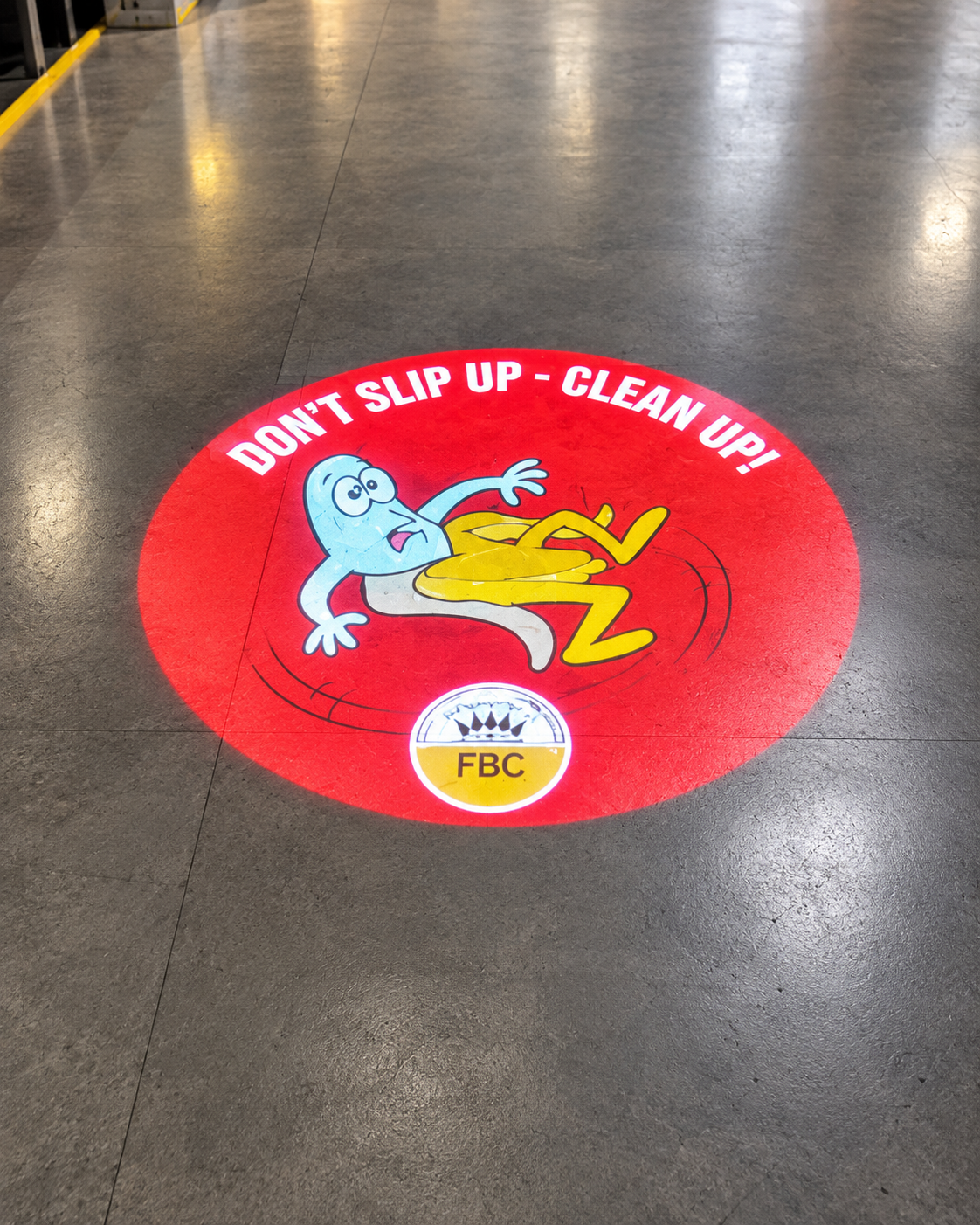
Projected safety markings use LED projection technology to display clear signs, symbols and floor warnings without relying on a physical marking applied to the surface.

Because the image is projected rather than painted or taped, it does not wear, peel or fade through traffic.

Projected markings are particularly useful where traditional floor markings lose visibility, require frequent maintenance or become ignored over time.
Risks Projected Safety Markings Can Help Control

01Blind Corners & Restricted VisibilityDisplay warnings where approaching pedestrians and vehicles may not see each other early enough.
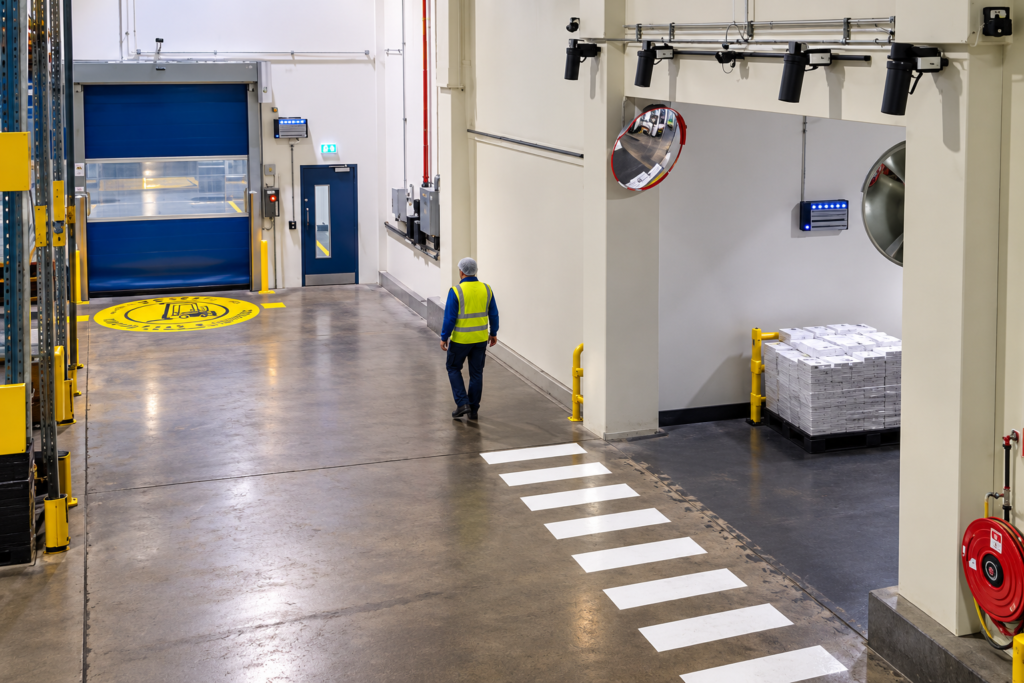
02High-Risk CrossingsReinforce pedestrian and vehicle priority at busy crossing points.
03TEMPORARY HAZARDS & CHANGING ROUTESIntroduce clear warnings where routes, work zones or hazards change over time.
04Worn or Ineffective Floor MarkingsReplace or reinforce markings that fade, peel or lose impact in high-traffic areas.

What Projected Safety Markings Can Improve

High-visibility LED warnings and floor markings can improve awareness at the point of risk while reducing reliance on static signs and surface-applied markings.

01Eliminate Sign BlindnessUse dynamic or triggered warnings to capture attention where static signs are routinely ignored.
02Improve Hazard AwarenessPlace clear warnings at the exact point and moment of risk.
03Reduce Maintenance CostsAvoid repeated repainting, peeling and wear caused by forklifts, footfall and cleaning.
04Adapt to Changing EnvironmentsChange images, triggers and layouts as site risks, routes or operational requirements evolve.
Learn more about our Projected Markings

Correct Specification Matters

Projected safety markings are not one-size-fits-all. Visibility depends on the environment, the installation and the way the system will be used.

Ambient light levels
Worst-case daylight conditions
Surface colour and reflectivity
Projection distance and angle
Image size and clarity
Mounting position and protection
Electrical supply requirements
Traffic flow and warning time
Sensor positioning and control logic
Ongoing access and maintenance

We then select the appropriate projector, lens, image and control approach for the application.

MAKE THE WARNING APPEAR WHEN IT MATTERS

Projected markings can remain constantly visible or respond dynamically to live movement and access conditions.

Depending on the application, projections can be triggered by:

Pedestrian movement
Forklift approach
Door opening
Vehicle entry
Defined zone activity

This allows the warning to appear at the exact point and moment of risk rather than remaining constantly visible.

PROJECTED SAFETY MARKING APPLICATIONS

From pedestrian crossings and vehicle warnings to dynamic hazard alerts, projected markings can be configured around different risks and environments across the site.
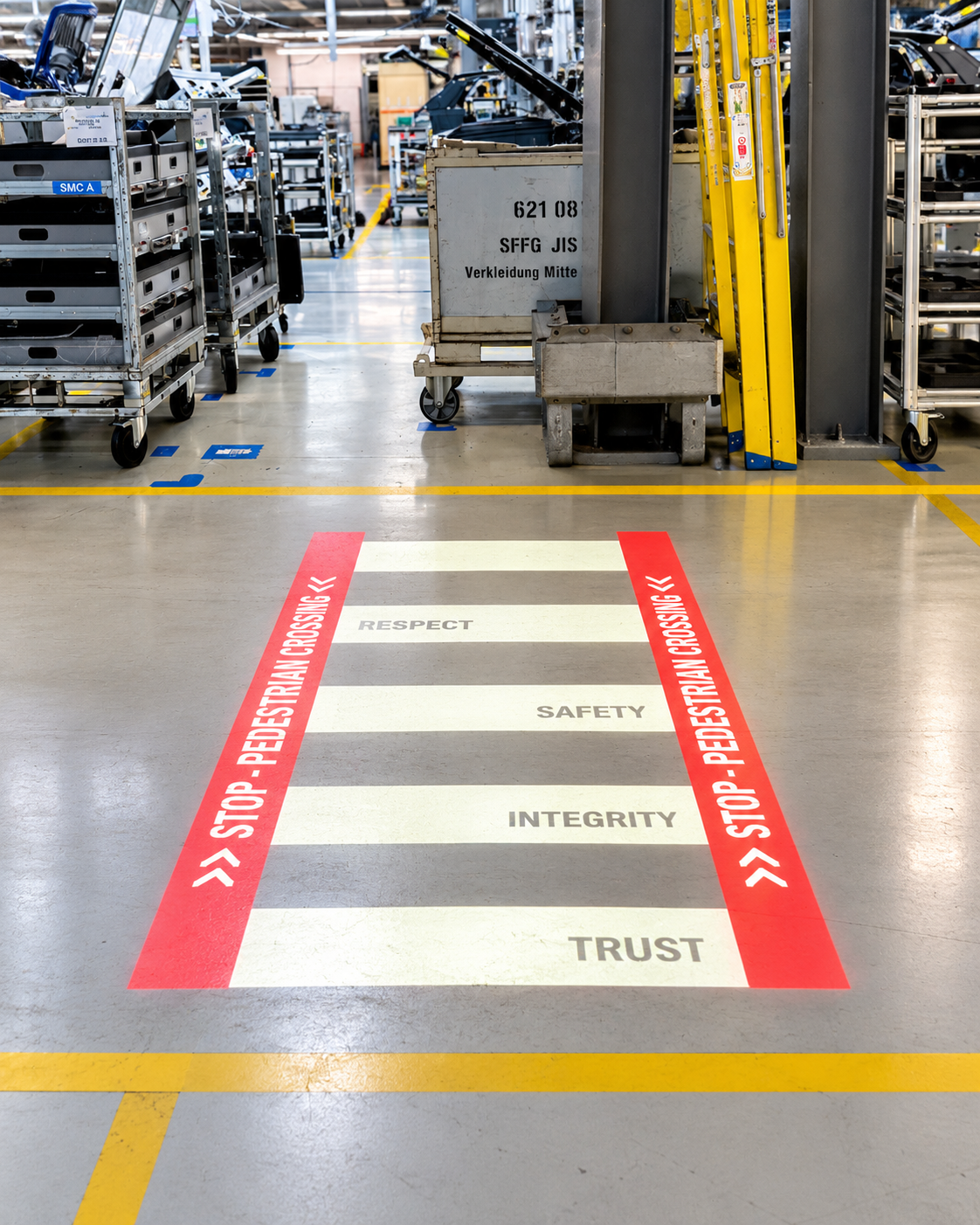
01PEDESTRIAN CROSSINGSCreate highly visible crossing points in areas where standard markings may wear or be overlooked.
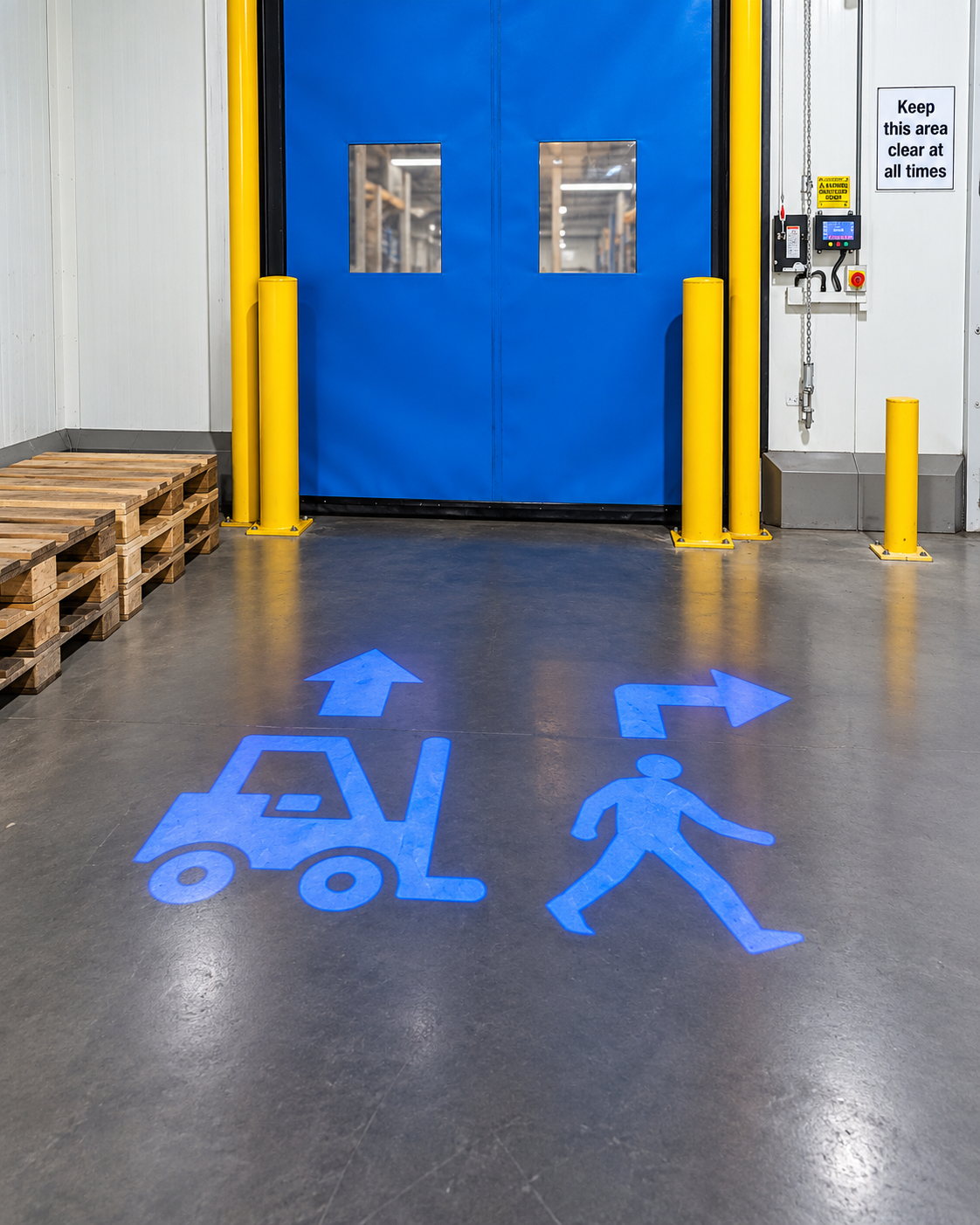
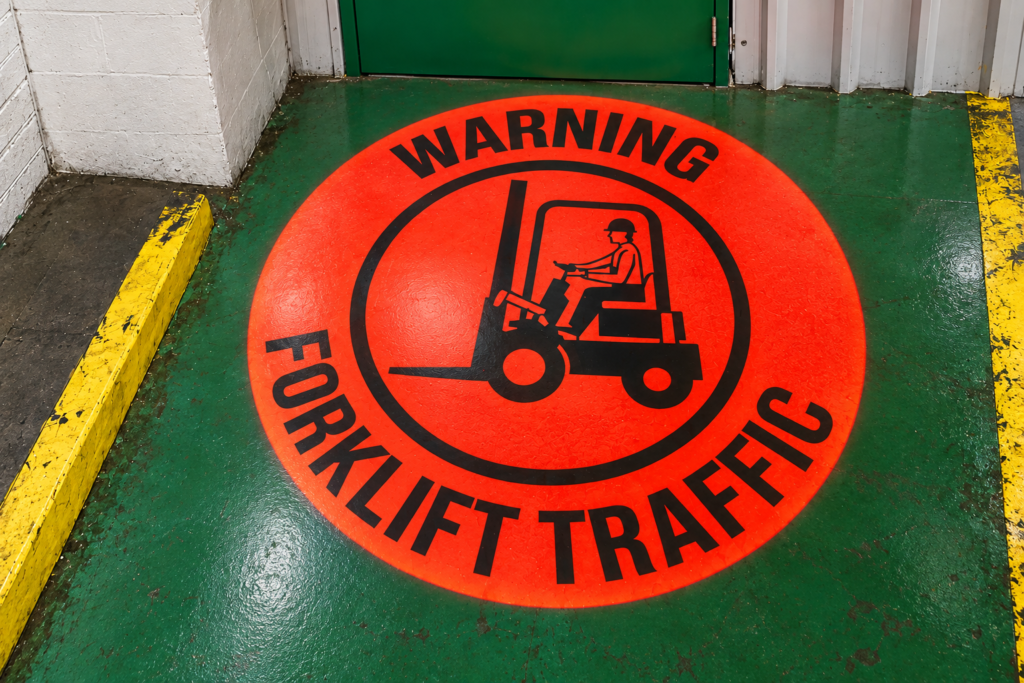
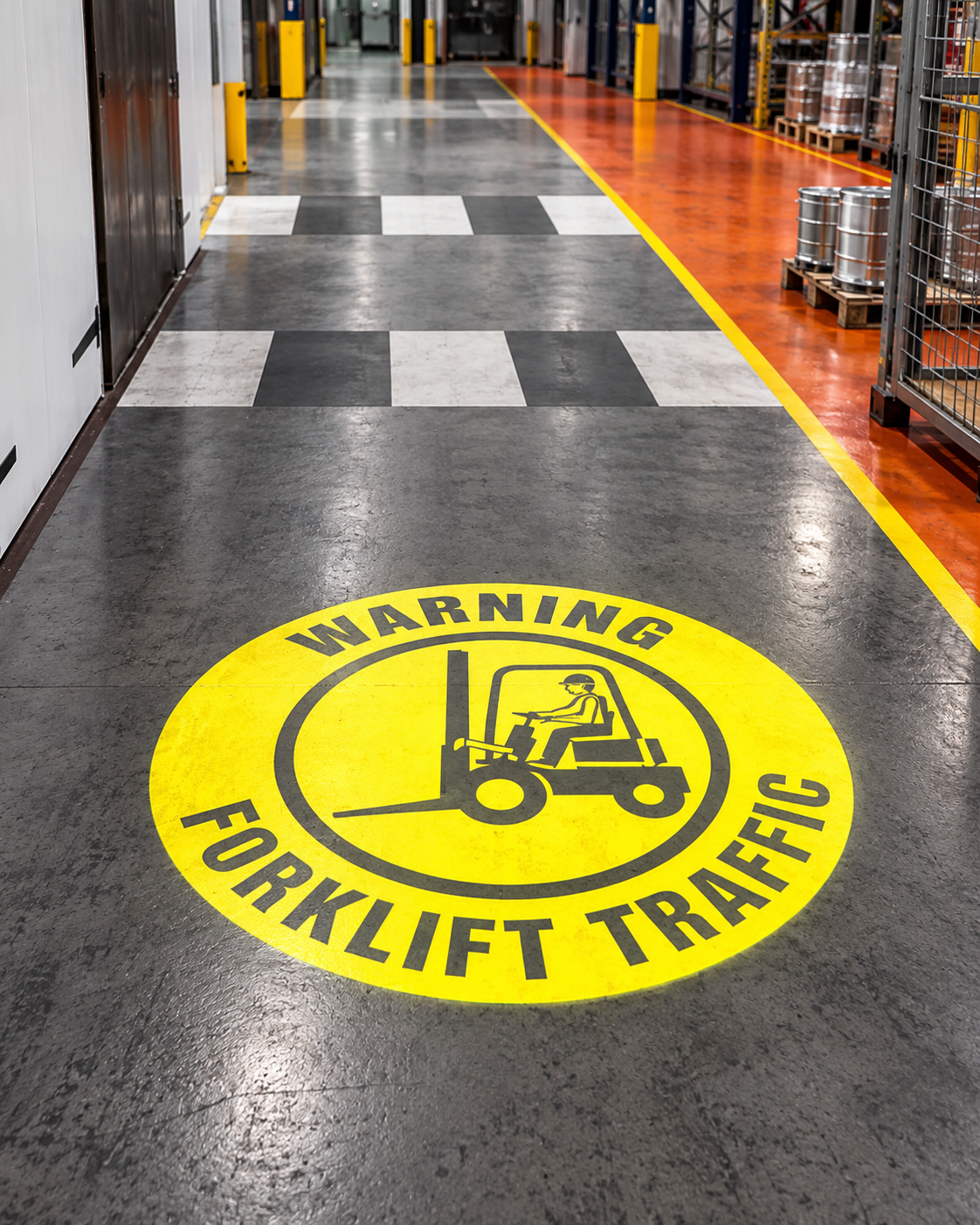
02FORKLIFT WARNING SIGNSDisplay clear warnings at vehicle approaches, doorways and conflict points.
03DIRECTIONAL ARROWSGuide pedestrians and vehicles through routes, access points and operational zones.
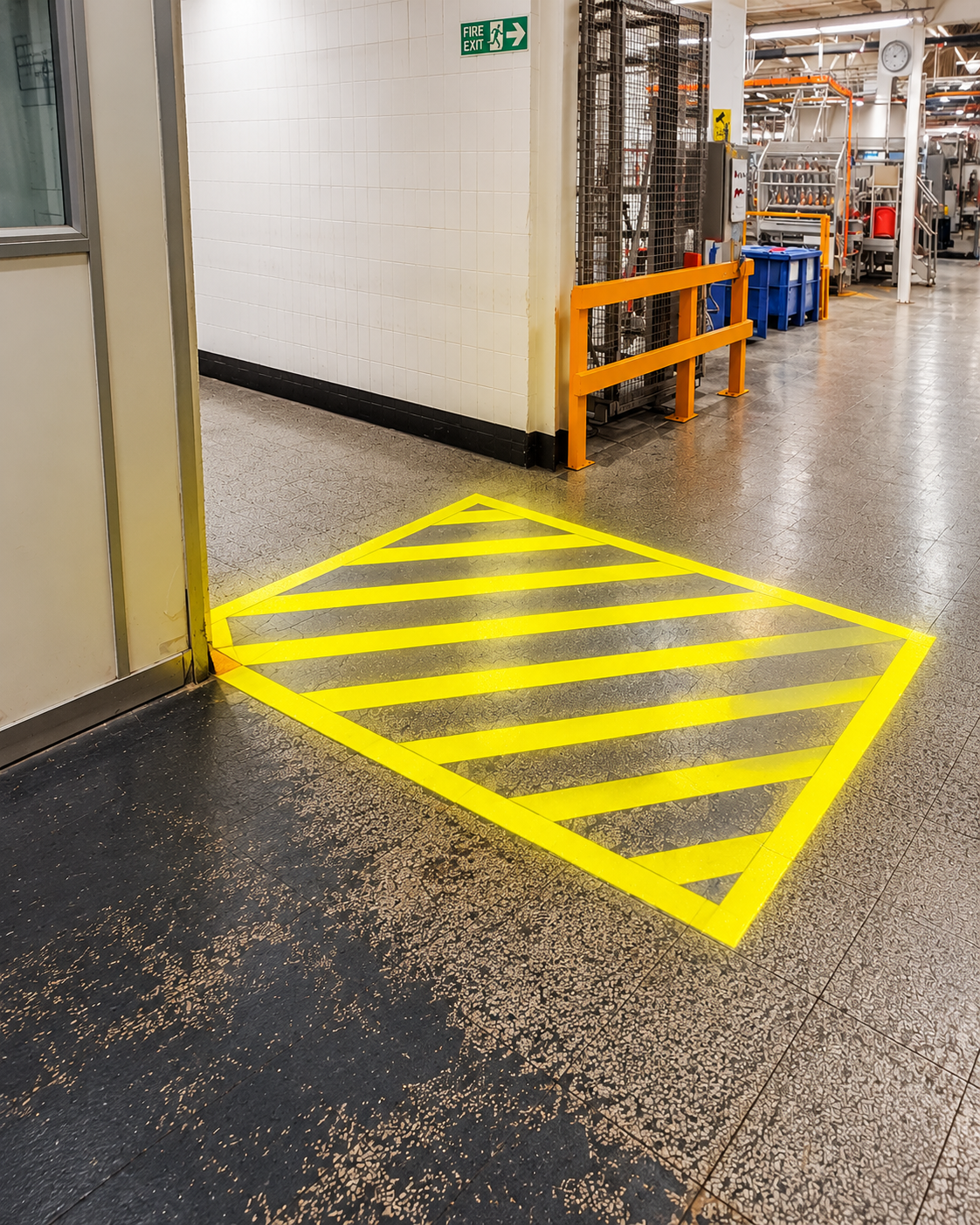
04KEEP CLEAR ZONESReinforce areas that must remain unobstructed around doors, equipment or emergency access.
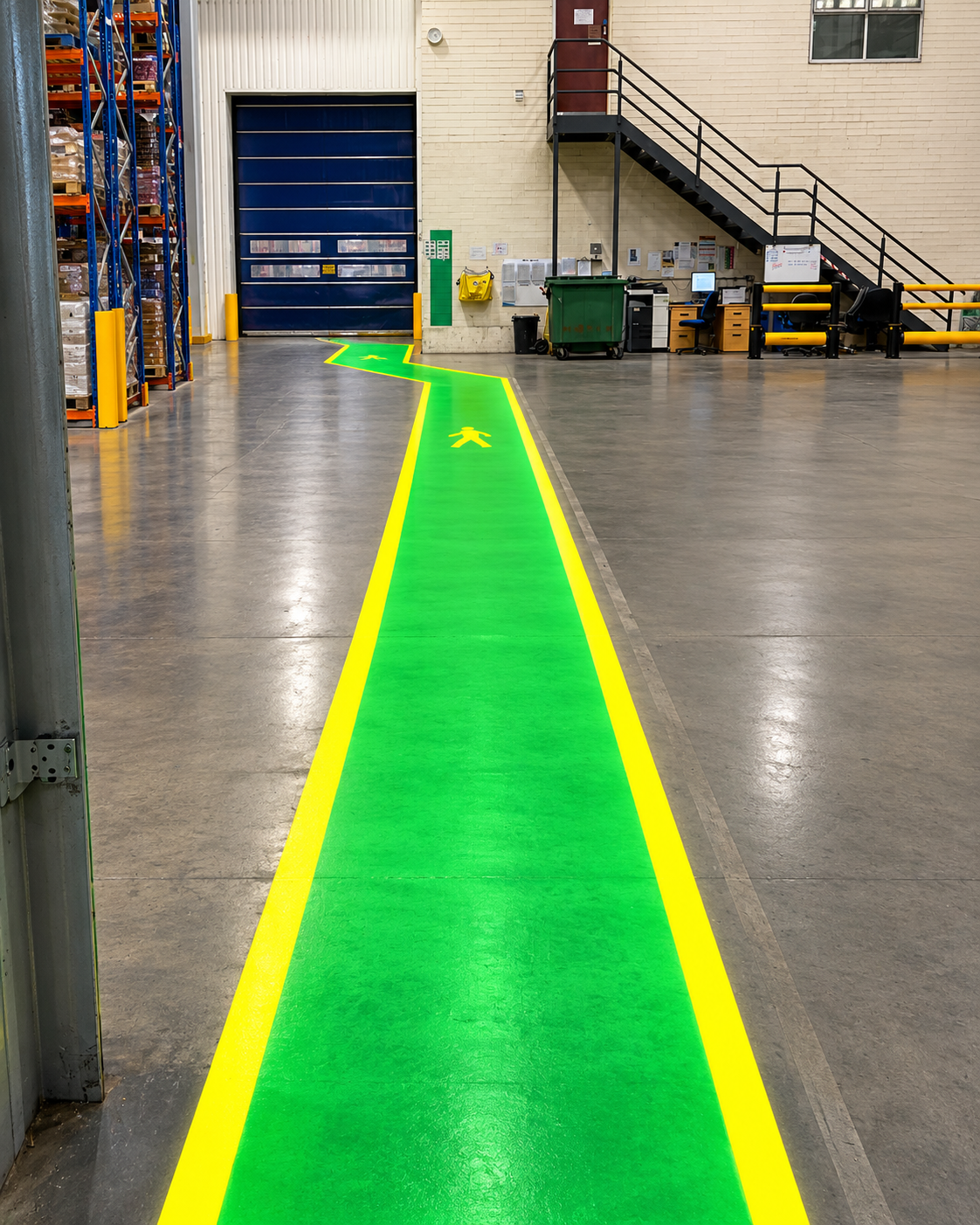
05PEDESTRIAN WALKWAYSClearly defined pedestrian walkways that remain highly visible without the wear of traditional floor markings.
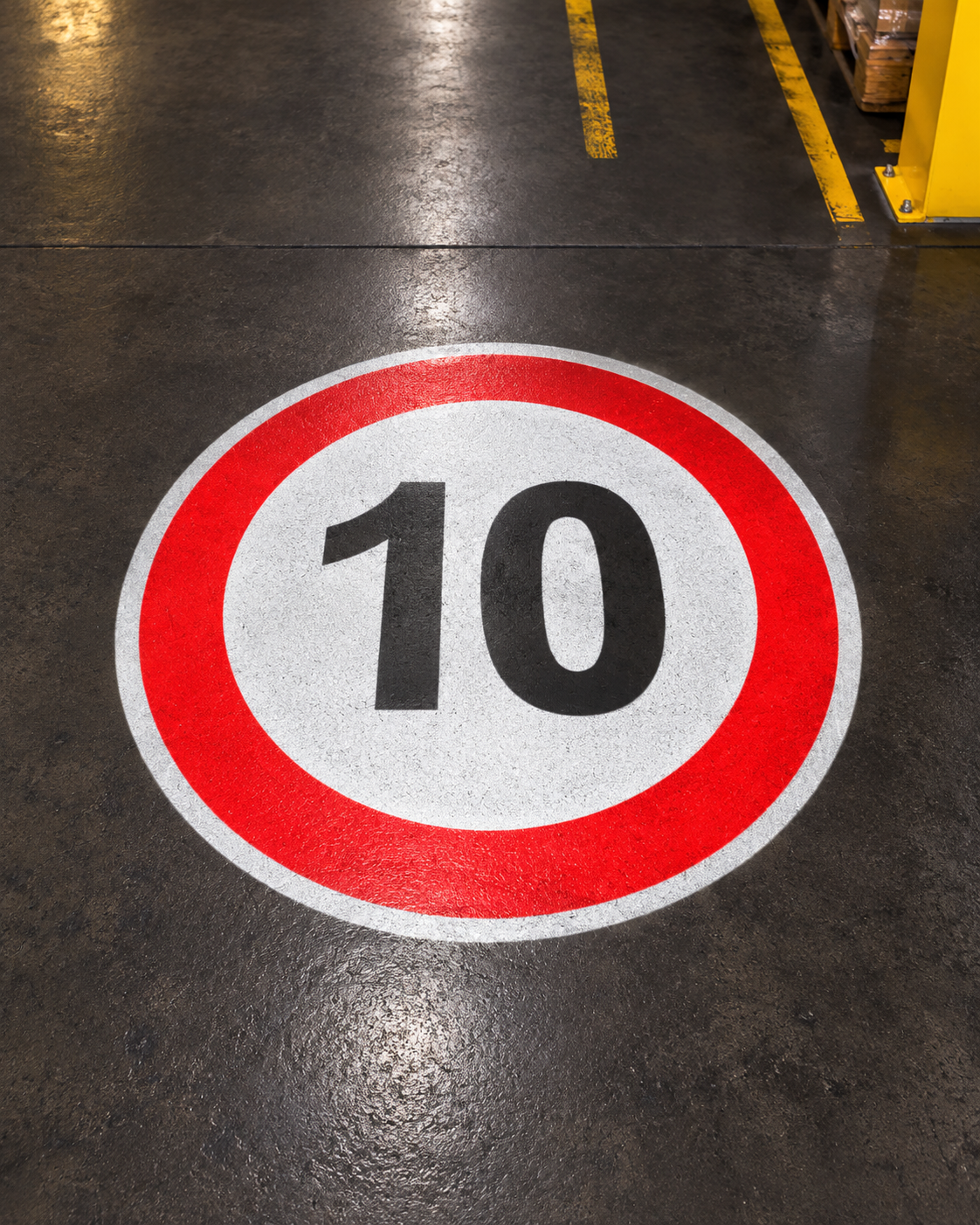
06SPEED REDUCTION ZONESPrompt safer vehicle behaviour as drivers approach controlled areas.
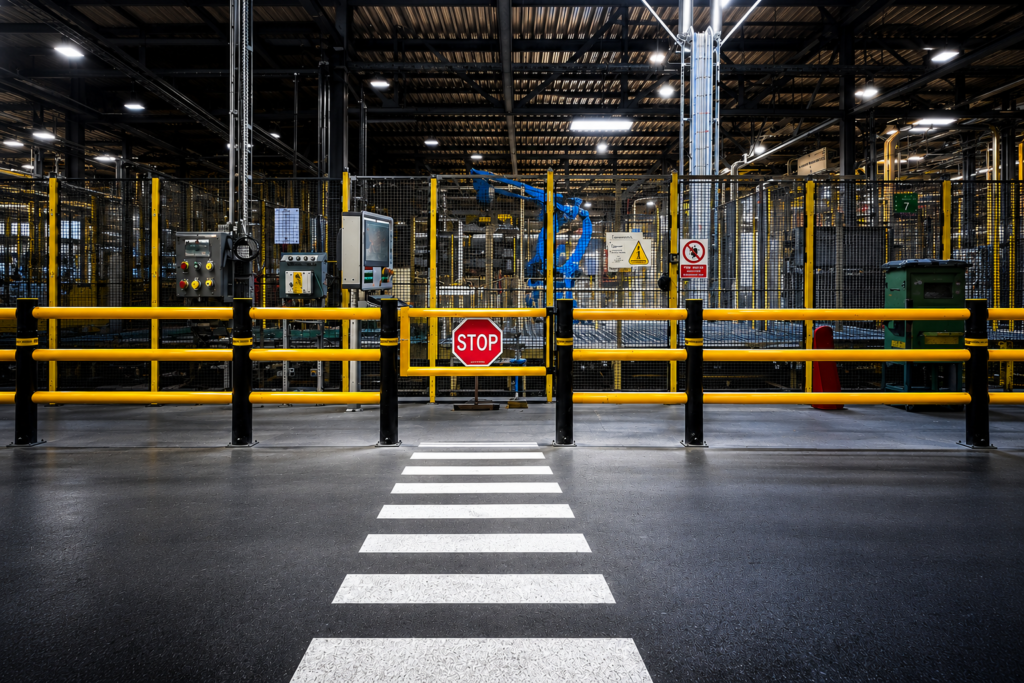
07STOP SIGNSDeliver clear visual instruction at crossings, access points and high-risk junctions.
08CUSTOM PROJECTED IMAGESCreate site-specific symbols, logos, warnings and instructions around the application.
Proven on site

PROJECTED SAFETY MARKINGS IN PRACTICE

See how WSS has used projected warnings to improve visibility, reinforce safe behaviour and reduce reliance on worn or static floor markings.
All case studies →

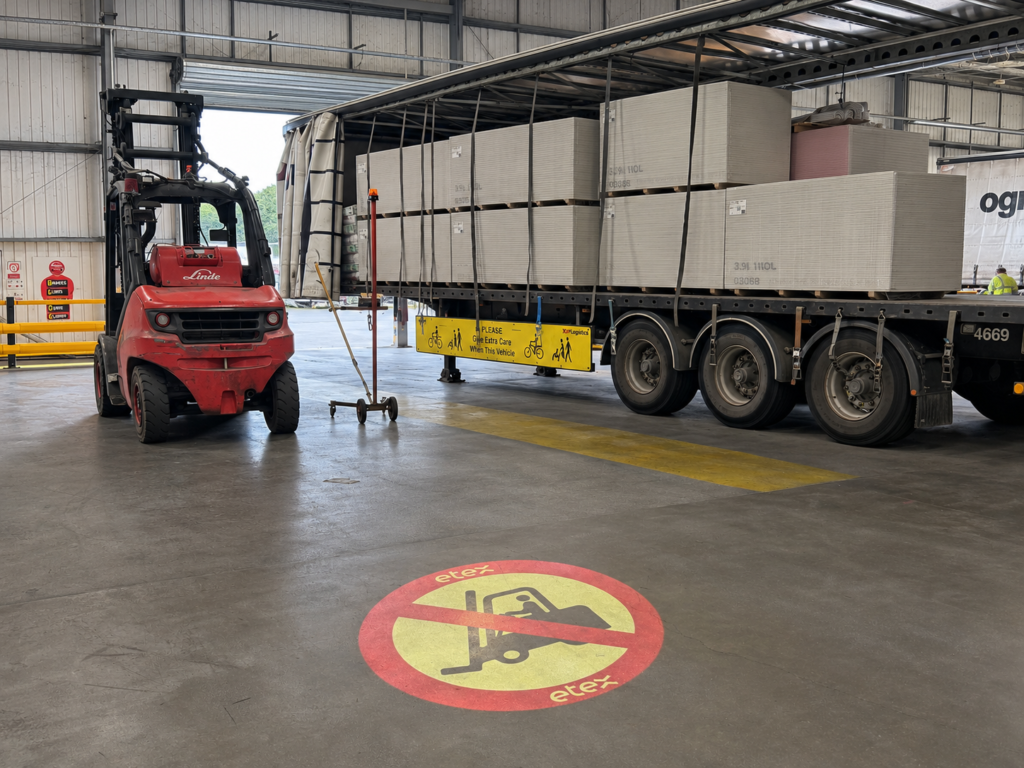
Projected Safety Markings and Polymeric Segregation at Plasterboard ManufacturerCASE STUDYProjected Safety MarkingsSafety Barriers

Projected Safety Markings and Polymeric Segregation at Plasterboard Manufacturer

May 21, 2026
Dynamic Projected Markings Transform Safety at Cheese Manufacturing PlantCASE STUDYProjected Safety Markings

Dynamic Projected Markings Transform Safety at Cheese Manufacturing Plant

May 21, 2026
Automated Projection Safety Signage at Terex WarehouseCASE STUDYProjected Safety Markings

Automated Projection Safety Signage at Terex Warehouse

August 22, 2025
Projected Safety Signage Automation at IFF ManufacturingCASE STUDYProjected Safety Markings

Projected Safety Signage Automation at IFF Manufacturing

November 29, 2024

WHERE ARE YOUR CURRENT MARKINGS FALLING SHORT?

Are floor markings wearing out, safety signs being overlooked or warnings difficult to see? Speak to WSS about the areas where visibility is poor or behaviour needs stronger reinforcement.

Our safety specialists will help assess the application and determine whether projected safety markings are the right solution.

    Get a Tailored Safety Plan for Your Workplace