5 Ways Technology is Enhancing Workplace Safety
In today’s rapidly evolving industrial landscape, technology plays a crucial role in improving workplace safety.
From manufacturing facilities to logistics centres, innovative solutions are revolutionising how we approach workplace health and safety regulations.
Let’s explore five cutting-edge technologies that significantly enhance safety for workers across various industries.
1. Smart Wearables: Monitoring Employee Health and Safety

Smart wearables have emerged as powerful tools for monitoring and improving worker safety.
These devices can track vital metrics and environmental conditions in real time, providing invaluable data to both employees and safety managers.
Key benefits of smart wearables include:
- Continuous monitoring of heart rate, temperature and fatigue levels
- Detection of harmful gases or excessive noise levels
- Immediate alerts for slips, trips, or falls
- Geofencing capabilities to prevent unauthorised access to dangerous areas
By leveraging these devices, companies can proactively address potential health risks and ensure compliance with workplace health and safety regulations.
2. AI and Machine Learning: Predicting Hazards Before They Happen
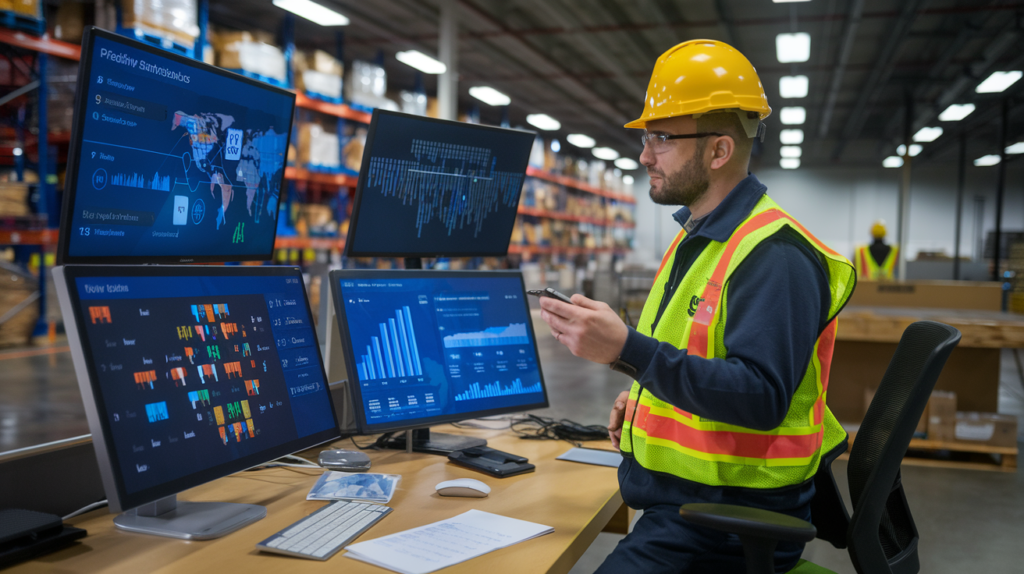
Artificial Intelligence (AI) and Machine Learning (ML) are revolutionising risk assessment and accident prevention in industrial settings.
These technologies analyse vast amounts of data to identify patterns and predict potential hazards before they occur.
Applications of AI and ML in workplace safety include:
- Predictive maintenance of machinery to prevent equipment failures
- Analysis of near-miss incidents to identify recurring safety issues
- Real-time monitoring of safety protocols and procedures
- Optimization of workplace layouts to minimise accident risks
By harnessing the power of AI and ML, companies can create safer work environments and significantly reduce the likelihood of workplace accidents.
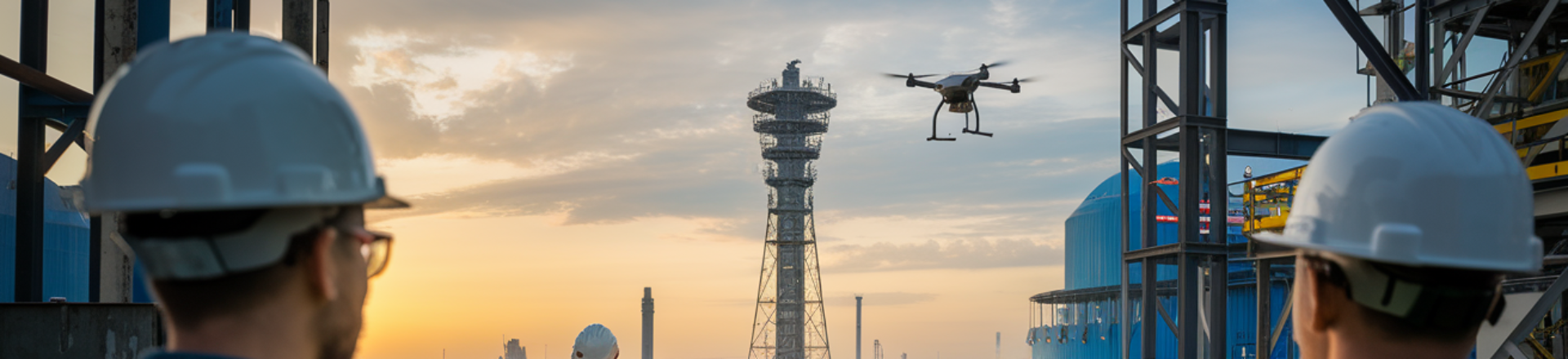
3. Drones and Robotics: Reducing Human Exposure to Dangerous Tasks

Drones and robots are increasingly being deployed to perform high-risk tasks, minimising human exposure to dangerous situations.
This technology is particularly valuable in industries such as construction, mining, and chemical processing.
Key applications include:
- Aerial inspections of tall structures or hazardous areas
- Remote handling of hazardous materials
- Automated inventory management in high-rack warehouses
- Robotic assistance in repetitive or physically demanding tasks
By delegating dangerous tasks to drones and robots, companies can significantly reduce the risk of workplace injuries while improving efficiency and accuracy.
4. Virtual and Augmented Reality: Training for Safety Without Risks

Virtual Reality (VR) and Augmented Reality (AR) technologies are transforming safety training by providing immersive, risk-free learning experiences.
These tools allow workers to practice handling dangerous situations without exposure to actual hazards.
Benefits of VR and AR in safety training:
- Realistic simulations of high-risk scenarios
- Hands-on practice with dangerous equipment in a safe environment
- Interactive walkthroughs of safety procedures and protocols
- Immediate feedback on performance and decision-making
By incorporating VR and AR into their training programs, companies can ensure that workers are better prepared to handle real-world safety challenges.
5. Projected Safety Signs for Clear Signalling

Projected safety signs represent a significant advancement in workplace safety communication.
These dynamic, highly visible signs use LED projection technology to display clear, adaptable safety messages in various environments.
Advantages of projected safety signs include:
- Enhanced visibility in low-light or high-traffic areas
- Ability to change messages quickly based on current conditions
- Reduced clutter compared to traditional static signs
- Improved compliance with safety protocols due to clear, eye-catching displays
Implementing projected safety signs can dramatically reduce the risk of accidents caused by missed or misunderstood safety information.
Who is Responsible for Workplace Health and Safety?
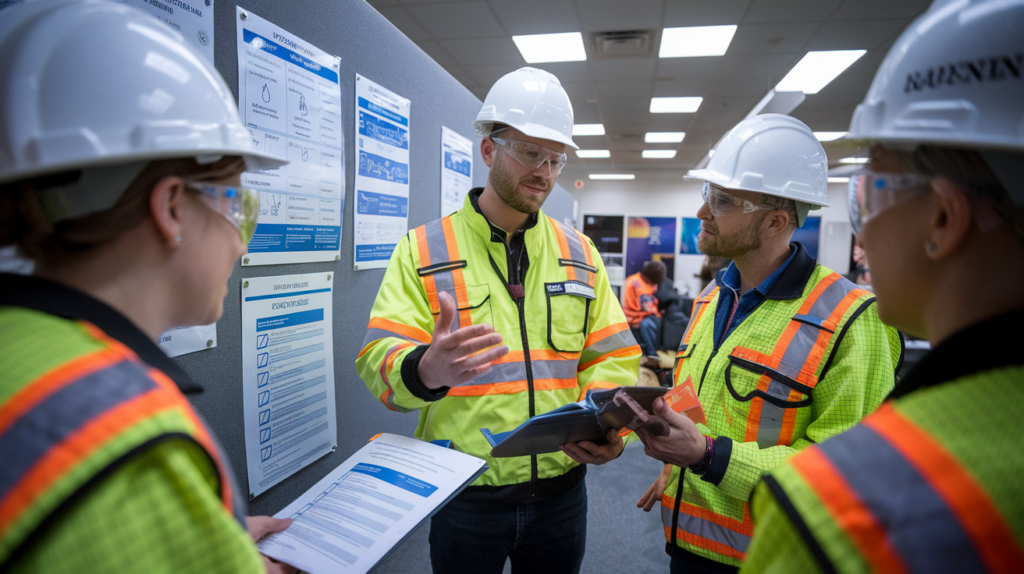
While technology plays a crucial role in enhancing workplace safety, it’s important to remember that safety is a shared responsibility.
Key stakeholders include:
- Employers: Responsible for providing a safe working environment, implementing safety measures and ensuring compliance with regulations.
- Employees: Must follow safety procedures, use protective equipment and report potential hazards.
- Safety Managers: Oversee the implementation of safety programs and monitor compliance.
- Regulatory Bodies: Set and enforce workplace health and safety regulations.
Why choose WSS for Investing in Workplace Safety

WSS (Warehouse Safety Solutions) is at the forefront of implementing innovative safety technologies in manufacturing and distribution facilities.
Our expertise includes:
- Customised safety solutions tailored to your specific workplace needs
- Implementation of cutting-edge technologies like projected safety signs
- Comprehensive safety surveys utilising digital twin technology
- Ongoing support and training to ensure optimal use of safety technologies
By partnering with WSS, you’re not just investing in technology – You’re investing in a safer, more productive workplace for all your employees.
Technology is playing an increasingly vital role in enhancing workplace safety.
From smart wearables to projected safety signs, these innovations are helping to create safer work environments, reduce accidents and ensure compliance with health and safety regulations.
By embracing these technologies, companies can protect their most valuable asset – their workforce – while also improving efficiency and productivity.
If you’re interested in navigating the future of workplace safety and want to learn how WSS can help, don’t hesitate to reach out to us.
Our team of experts are here to assist you in creating a safer, more efficient workplace for everyone.
Back to blog5 Ways Technology is Enhancing Workplace Safety


