

Solutions/Active safety/Automated Gate Systems

Automated Gate Systems

Intelligent pedestrian and vehicle access systems that respond to live movement, control crossings and help keep people separated from MHE.

Overview

What are Automated Gate Systems?

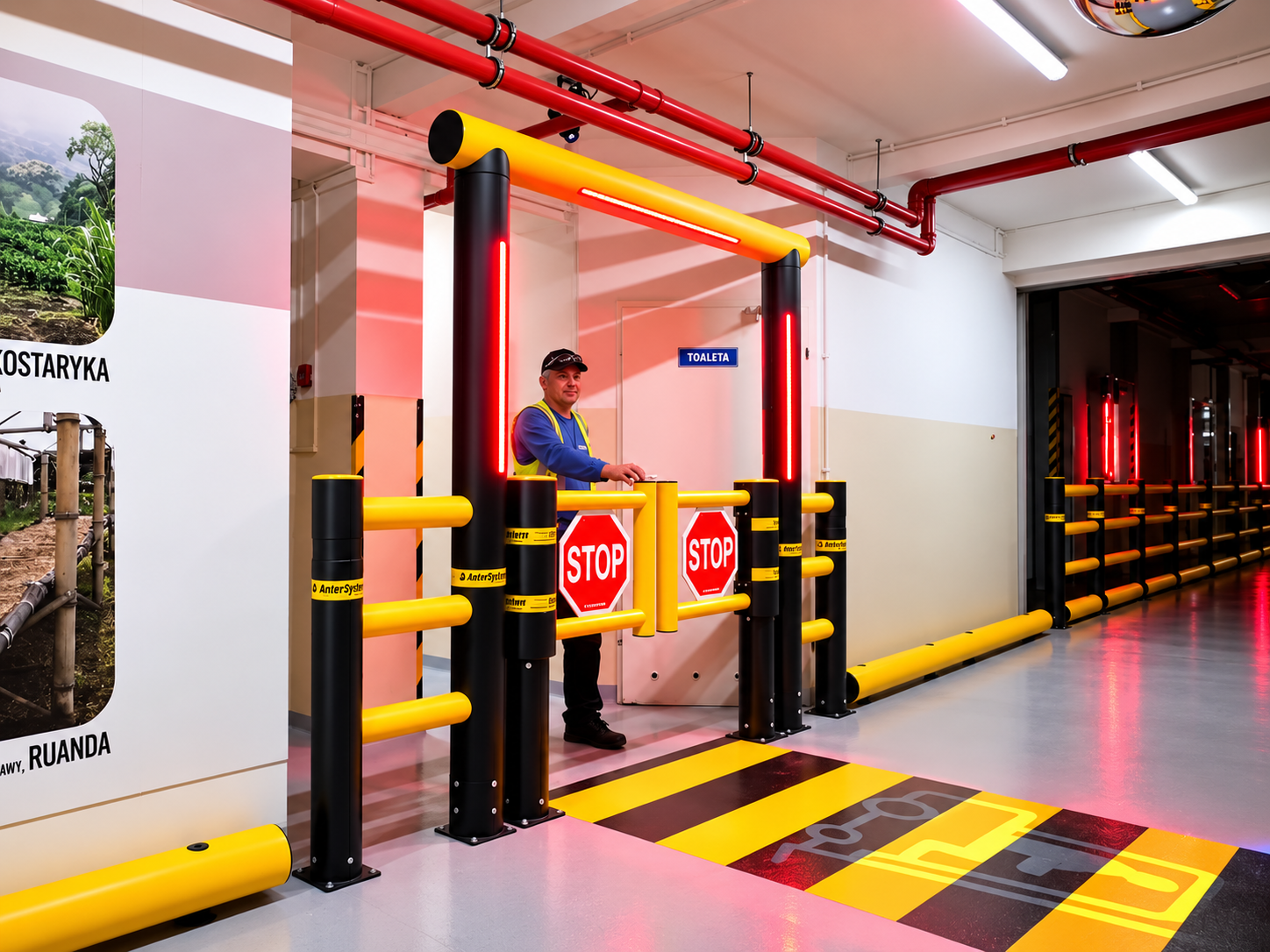
Automated gate systems use detection, access controls and programmed logic to open, close or restrict pedestrian and vehicle access according to what is happening around a defined risk area.
Risks Automated Gate Systems Can Help Control

01Unsafe Pedestrian EntryPrevent pedestrians entering a crossing or hazardous area while conflicting vehicle movement is detected.
02Vehicle-Pedestrian ConflictsControl access where pedestrian and vehicle routes intersect and interaction cannot be eliminated completely.
03Unauthorised AccessRestrict entry to controlled areas using configured access methods such as RFID, fob or other authorised inputs.
04Restricted Area BreachesCreate a physical access control at areas where entry should only be permitted under defined conditions.
05Reliance on Manual Gate UseReduce dependence on people remembering to close or operate gates correctly during routine movements.
06Poor Traffic ControlCreate clearer movement sequences at crossings, access points and shared pedestrian-vehicle routes.

Why Automated Gate Systems?

Automated gates turn physical segregation into a responsive control, allowing access to change as vehicles, pedestrians and operating conditions change.

01Control Access at the Point of RiskOpen, close or restrict access according to defined conditions rather than relying solely on signs or instructions.
02Separate People & VehiclesControl pedestrian entry where routes cross vehicle movements and physical interaction cannot be removed completely.
03Reduce Reliance on BehaviourAutomate repetitive gate movements and access rules that would otherwise depend on consistent manual action.
04Integrate Wider Safety ControlsConnect gates with AI detection, sensors, beacons, projected warnings and access-control systems around the application.
See Automated Gate Systems in Action

See how vehicle detection and access-control logic can automatically change gate states to manage pedestrian and vehicle movement at high-risk crossings.

Correct Specification Matters

Automated gates are not one-size-fits-all. The correct system depends on who needs access, what creates the risk and exactly how the gate should respond.

Pedestrian or vehicle application
Gate type and opening width
Normal open or closed state
Vehicle and pedestrian traffic flow
Detection coverage and approach direction
Trigger method and access requirements
Opening and closing sequence
Obstruction and trapping protection
Emergency release and escape routes
Power and control requirements
Integration with other safety systems
Environmental and operating conditions

The gate, detection method and operating logic are then designed together around the actual movement and risk at the access point.

FROM DETECTION TO CONTROLLED MOVEMENT

The real value of an automated gate is its ability to respond to what is happening around the access point.

Depending on the application, the system can:

Detect an approaching vehicle
Close pedestrian access
Keep access restricted while risk remains
Reopen once the crossing is clear
Permit authorised vehicle access
Trigger beacons or audible warnings
Respond to AI, radar, RFID or access inputs
Apply defined emergency and fault behaviour

This allows physical access control to respond dynamically rather than remaining dependent on manual gate operation.

Automated Gate System Applications

WSS combines physical gates, detection technology and control logic around the specific movement and access requirements of each risk area.
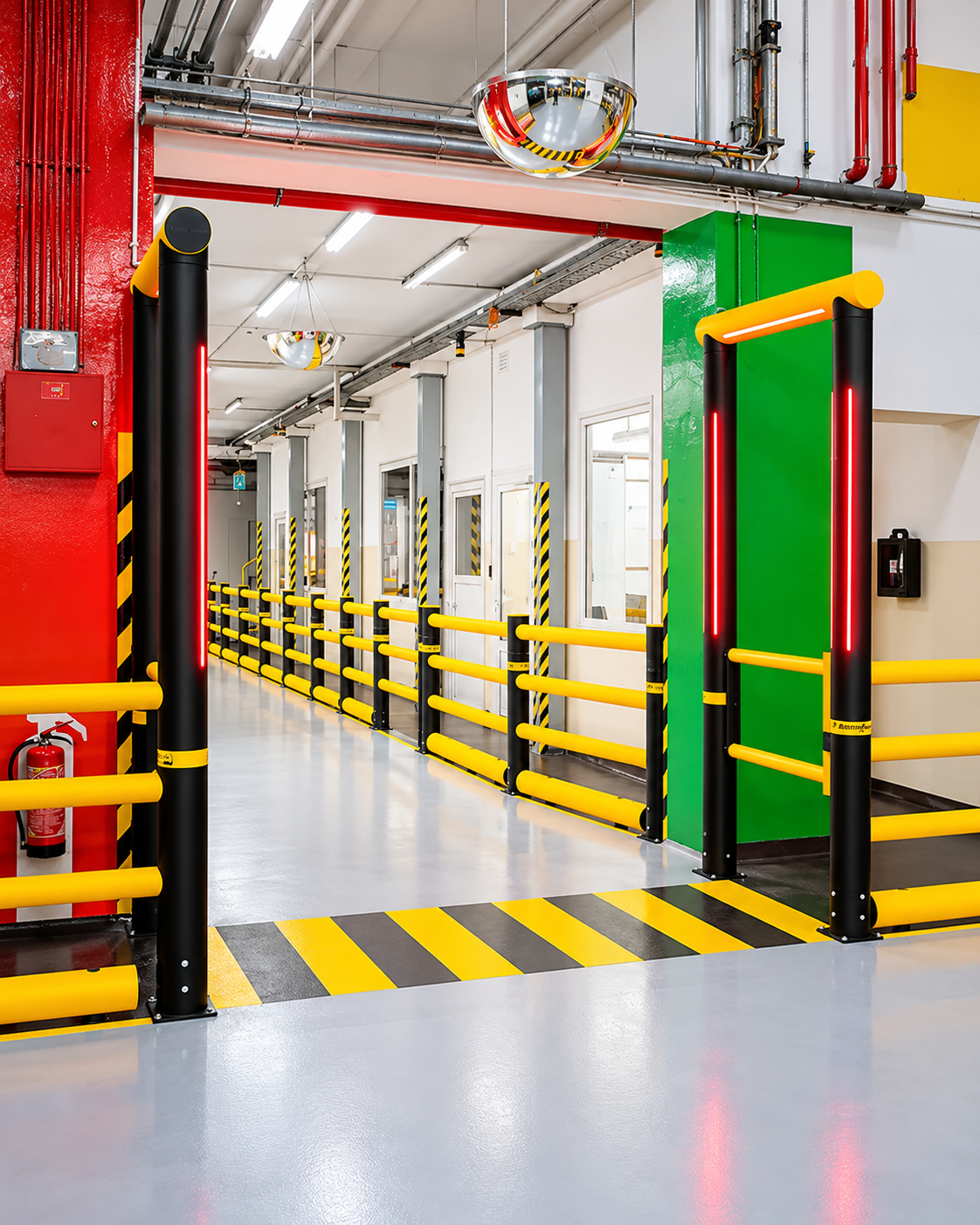
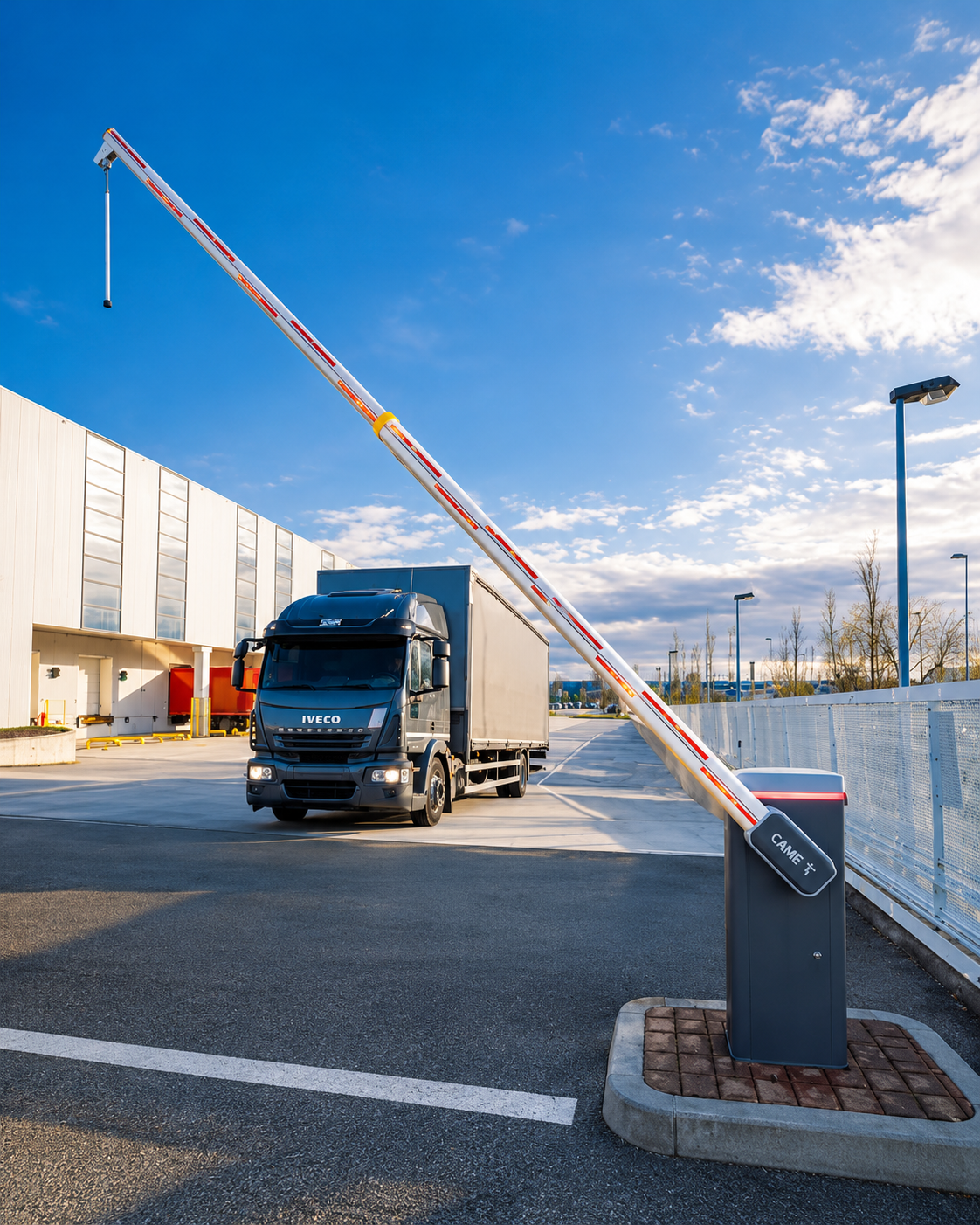
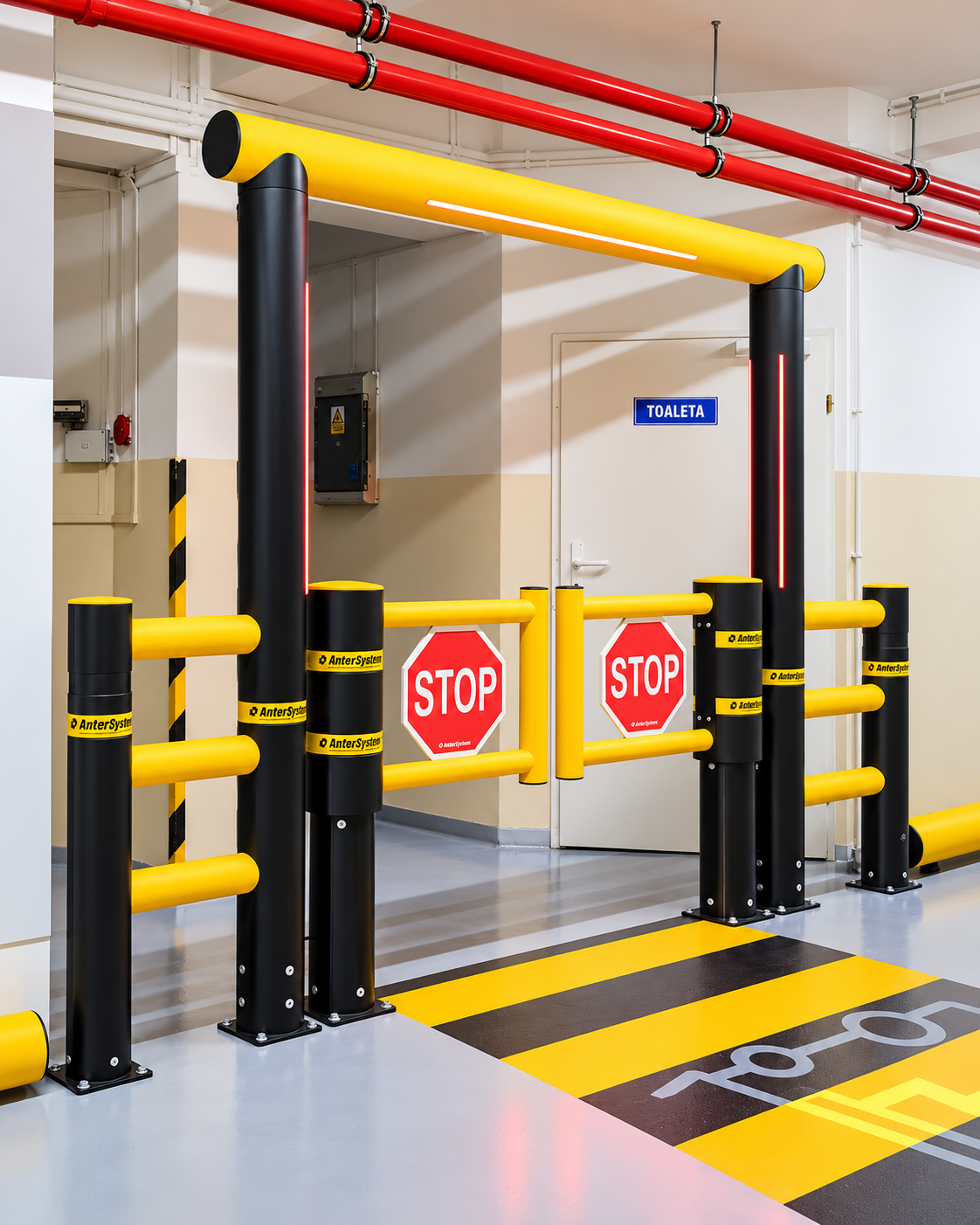
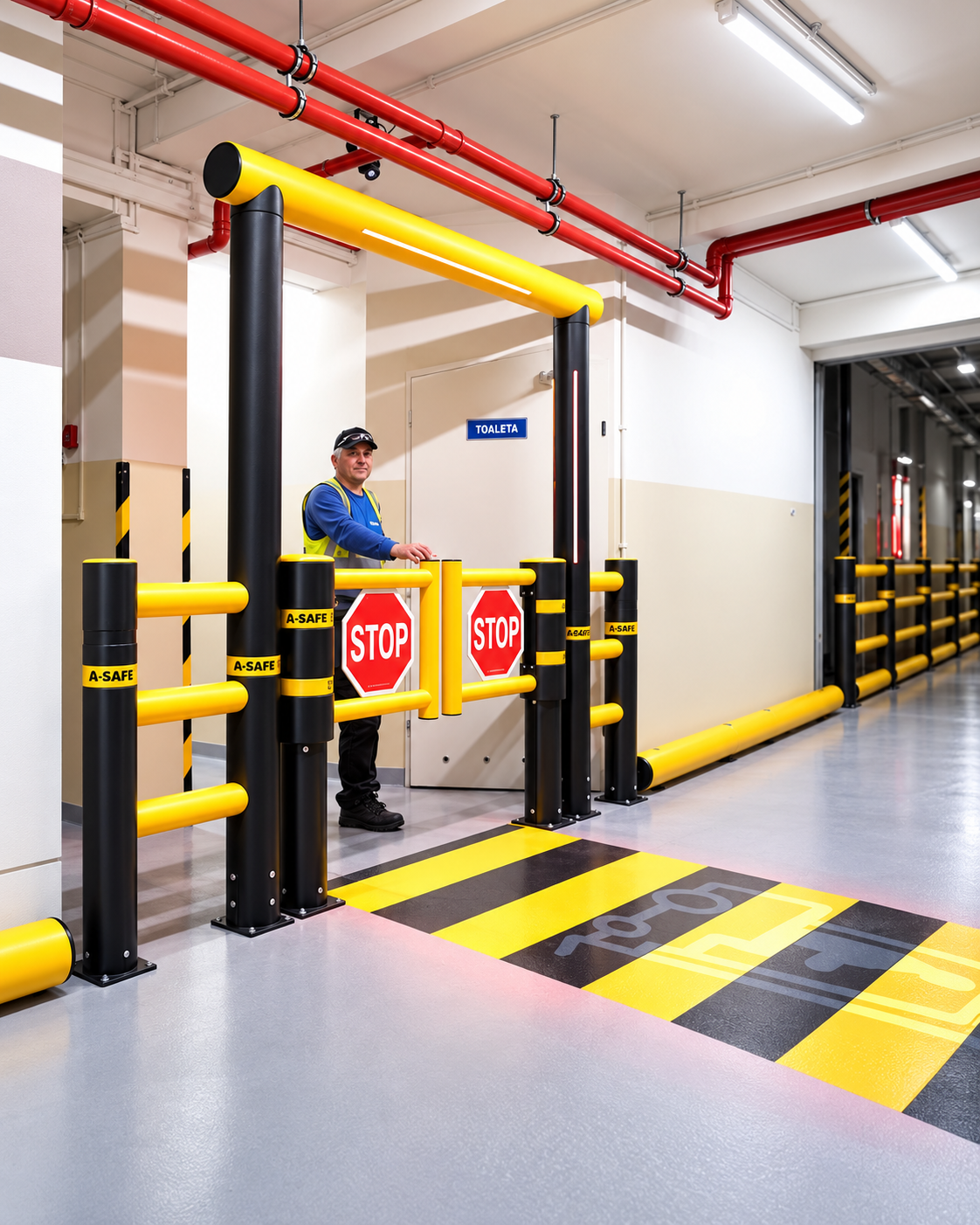
01Pedestrian Crossing GatesControl pedestrian entry at crossings and close access automatically when conflicting vehicle movement is detected.
02Vehicle Access GatesMaintain segregation while allowing controlled vehicle movement through defined access points when required.
03Interlocked Gate SystemsCoordinate multiple gates or access states so movement follows a defined and controlled sequence.
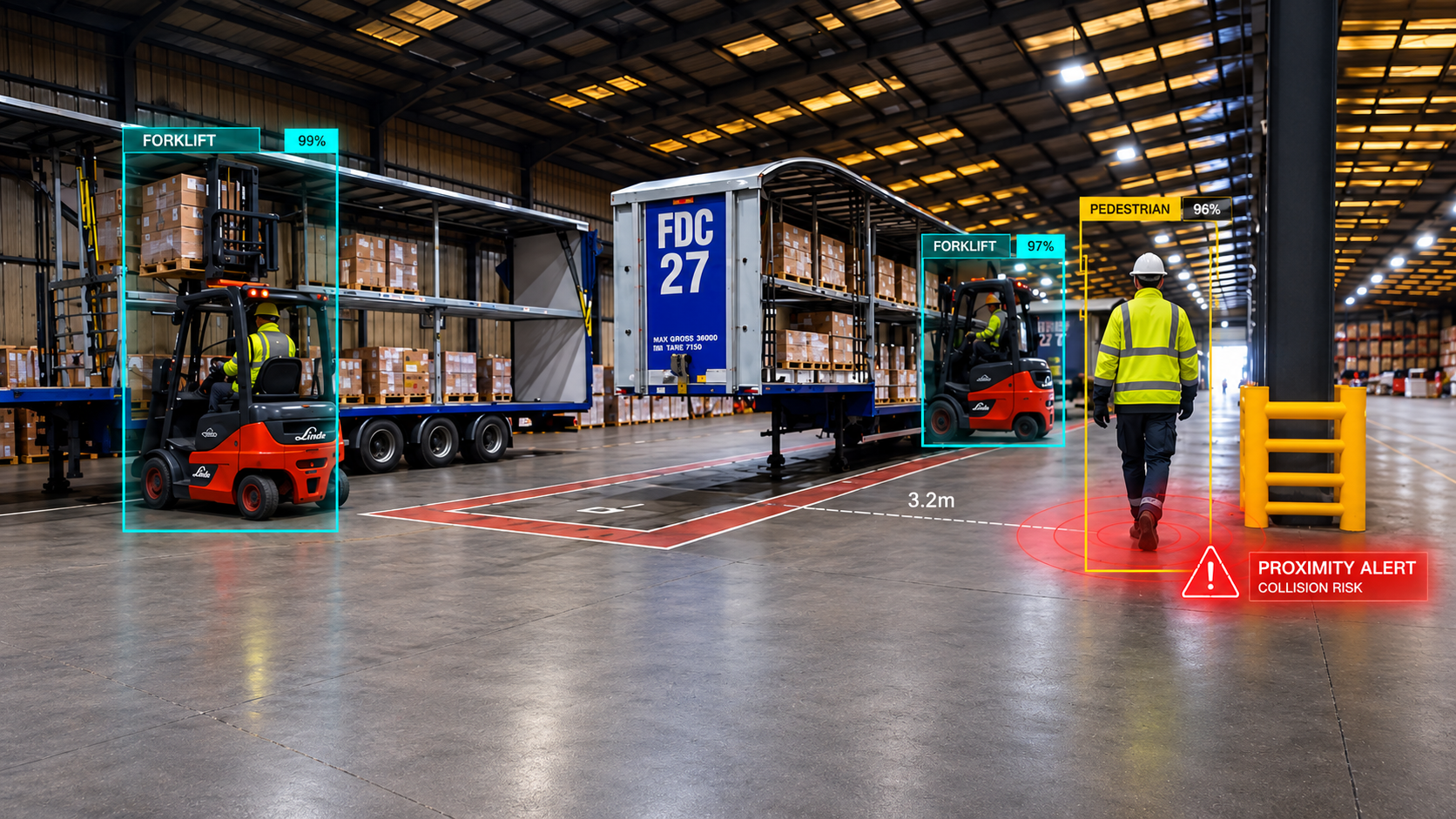
04AI-Controlled GatesUse camera-based detection to change gate states automatically when vehicles or pedestrians enter defined zones.
05Authorised Access GatesUse RFID, fob, push-button or other configured inputs to permit controlled access through segregated areas.
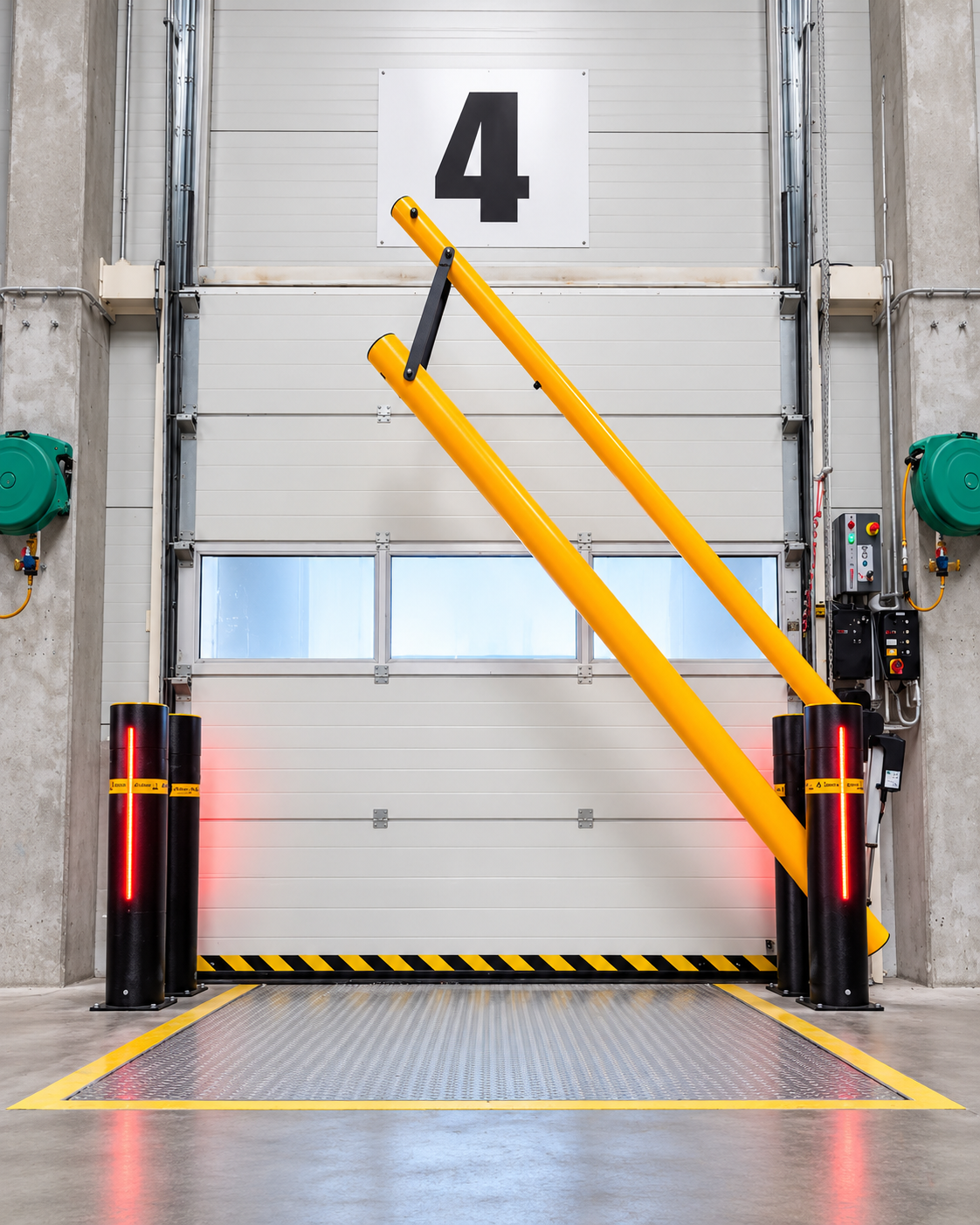
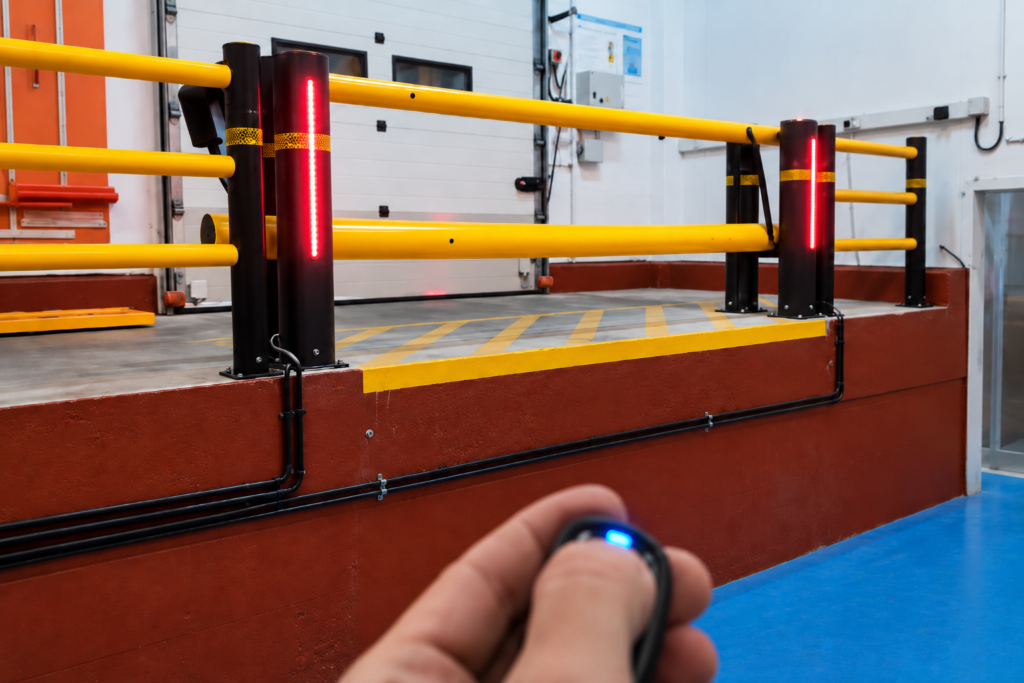
06Automated Dock GatesControl access at loading bays and dock edges and integrate gate operation with wider bay-status or warning systems.

Automated Gate Systems in Practice

See how WSS has used automated access and gate-control systems to create safer, more predictable movement around operational risk areas.

    Get a Tailored Safety Plan for Your Workplace