

Solutions/Passive safety/Safety Barriers

Safety Barriers

Permanent physical segregation designed to protect people, vehicles, racking and critical infrastructure from workplace impact risk.

Official partner · Anter
Overview

What Are Safety Barriers?

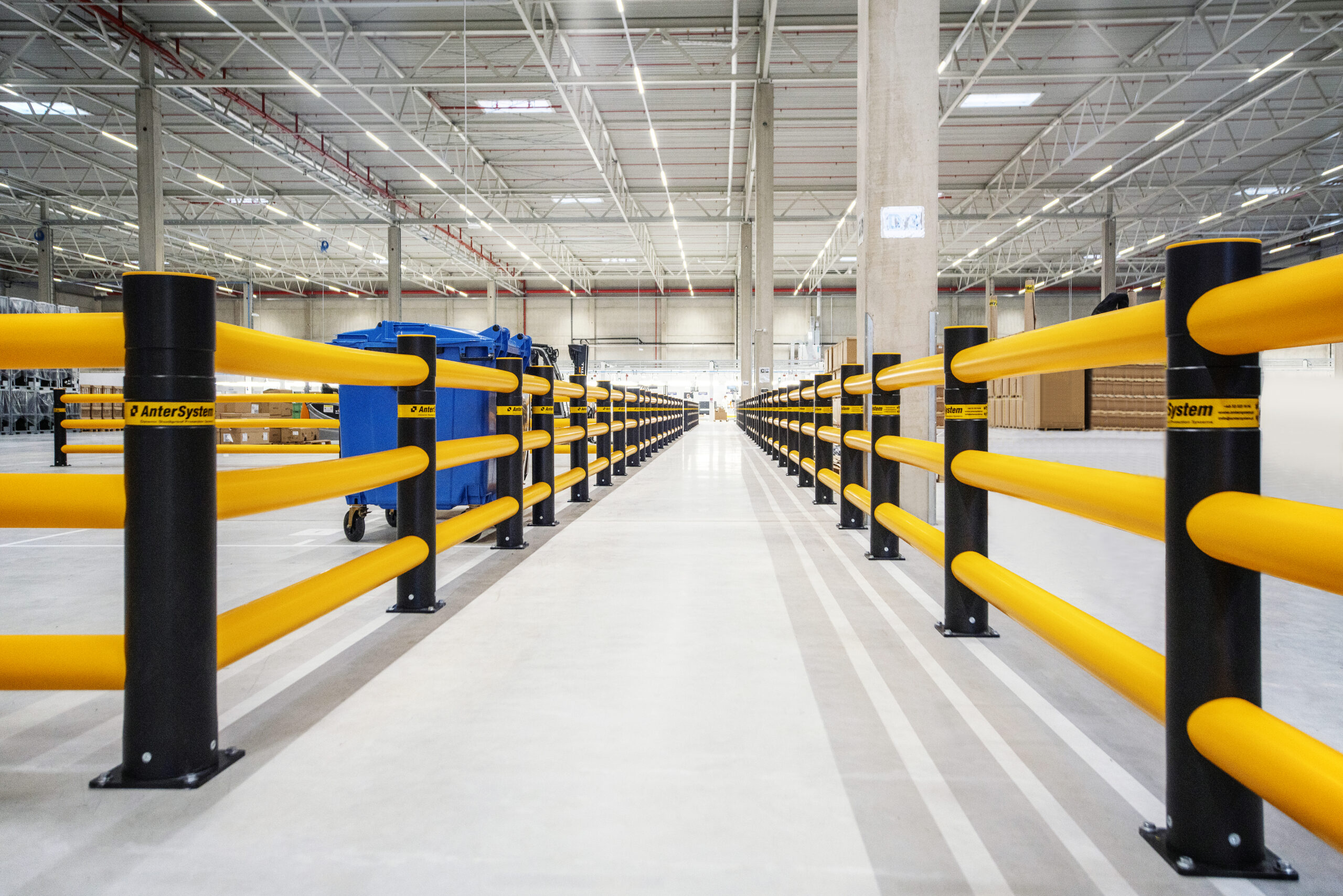
Safety barriers are fixed physical controls used to separate people, vehicles and vulnerable assets within busy workplace environments. They provide continuous protection by defining routes, restricting access and absorbing or redirecting impact where workplace vehicles may come into contact with pedestrians, racking, machinery or infrastructure.

The right barrier system should be selected around the actual vehicle risk, site layout, likely impact direction and what needs to be protected.
Risks Safety Barriers Can Help Control

01Forklift Impacts with InfrastructureReduce exposure where workplace vehicles may strike walls, columns, machinery or fixed equipment.
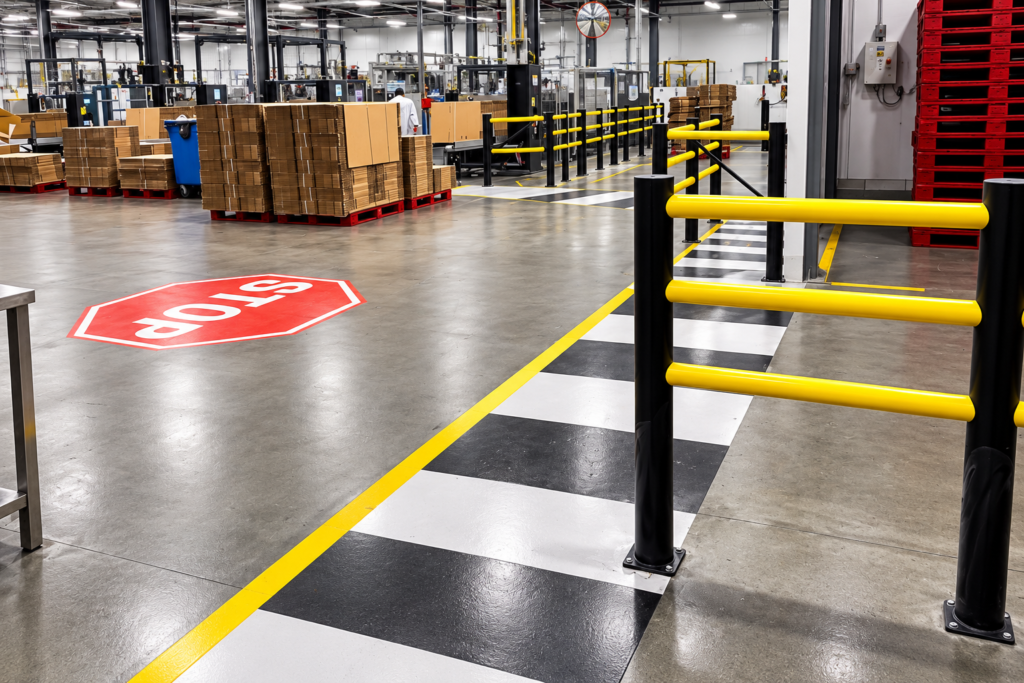
02Pedestrian and Vehicle SegregationCreate clearer physical separation between people and moving workplace vehicles.
03Racking and Building DamageProtect vulnerable racking, aisle ends, doorways and structural assets from repeated impact.
04High-Risk Traffic RoutesStrengthen protection around corners, crossings, loading areas and other points where traffic risk is concentrated.

Why Flexible Safety Barriers?

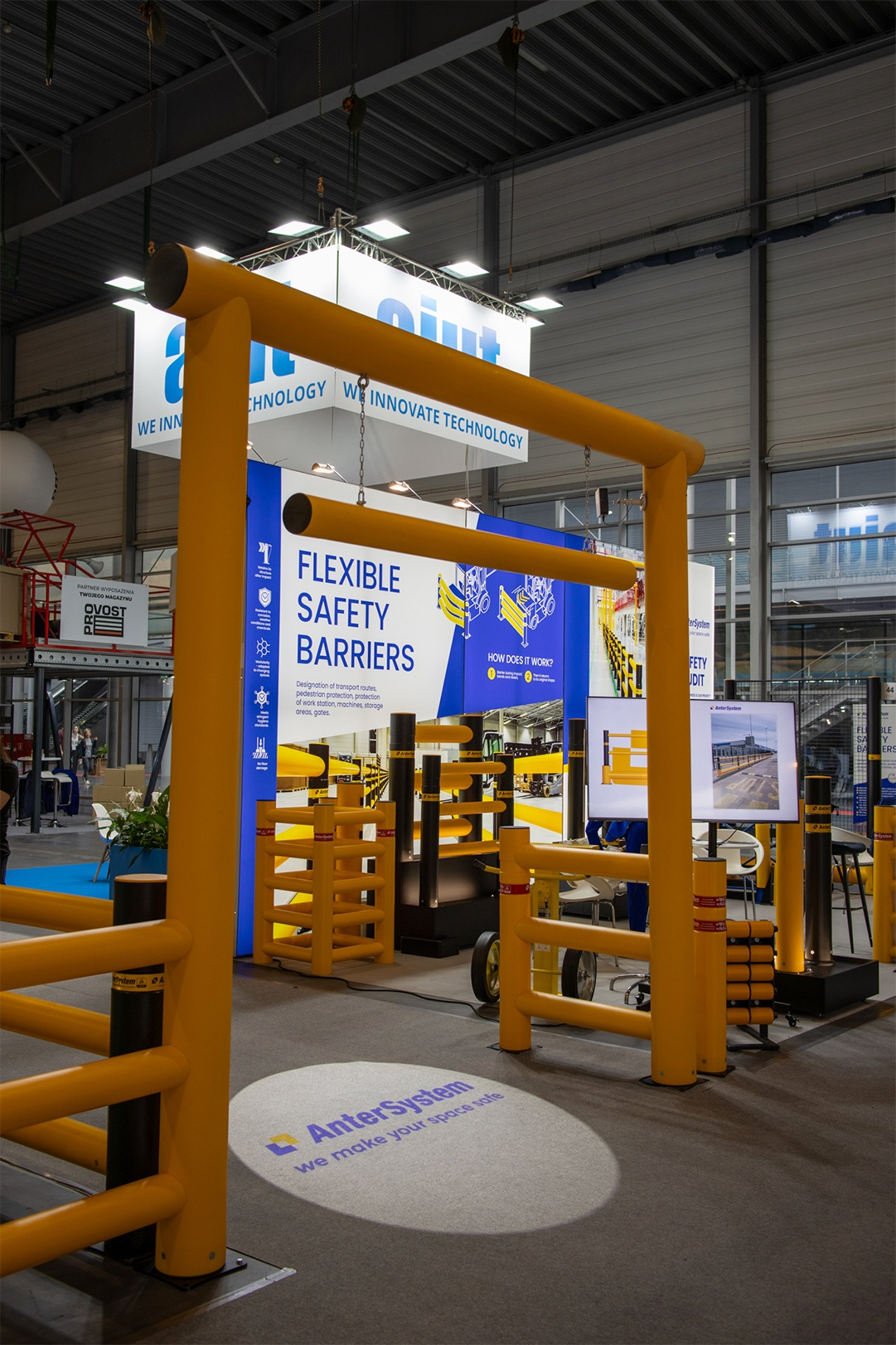
Our polyethylene barriers absorb forklift impacts, protecting people, vehicles and your bottom line — without the rust and repair costs of steel.

01Flexible Impact AbsorptionPolymer barrier systems can flex under impact and absorb energy before returning toward their original position, helping reduce damage to vehicles, floors and surrounding infrastructure.
02Lower Lifetime Repair CostWhere correctly specified, flexible systems can reduce the need for repeated barrier replacement and repair after lower-level impacts.
03Corrosion ResistancePolymer systems do not rust, making them suitable for demanding environments where moisture, hygiene or long-term maintenance are important.
Learn more about our Safety Barriers

Correct Specification Matters

A barrier is only effective when it matches the real application. WSS™ considers:

Vehicle type and weight
Vehicle speed
Direction of travel
Likely impact angle
Traffic frequency
Pedestrian interaction
What is being protected
Environmental conditions
Operational and maintenance requirements

This helps avoid under-specification, unnecessary over-specification and weak like-for-like comparisons.

More Than a Standalone Barrier

WSS™ can combine barriers with walkways, crossings, floor markings, gates, projected warnings and active safety systems to create a more complete site-safety approach. Our role can include:

Site assessment
Traffic and pedestrian route review
Barrier selection and layout
Installation planning
Supply and installation
Handover and future review

The aim is to create the right protection system for the site rather than add isolated products.

Our Range of Safety Barriers

Ensure your forklifts stay alert to hazards and safe from collision in help of safety barriers.
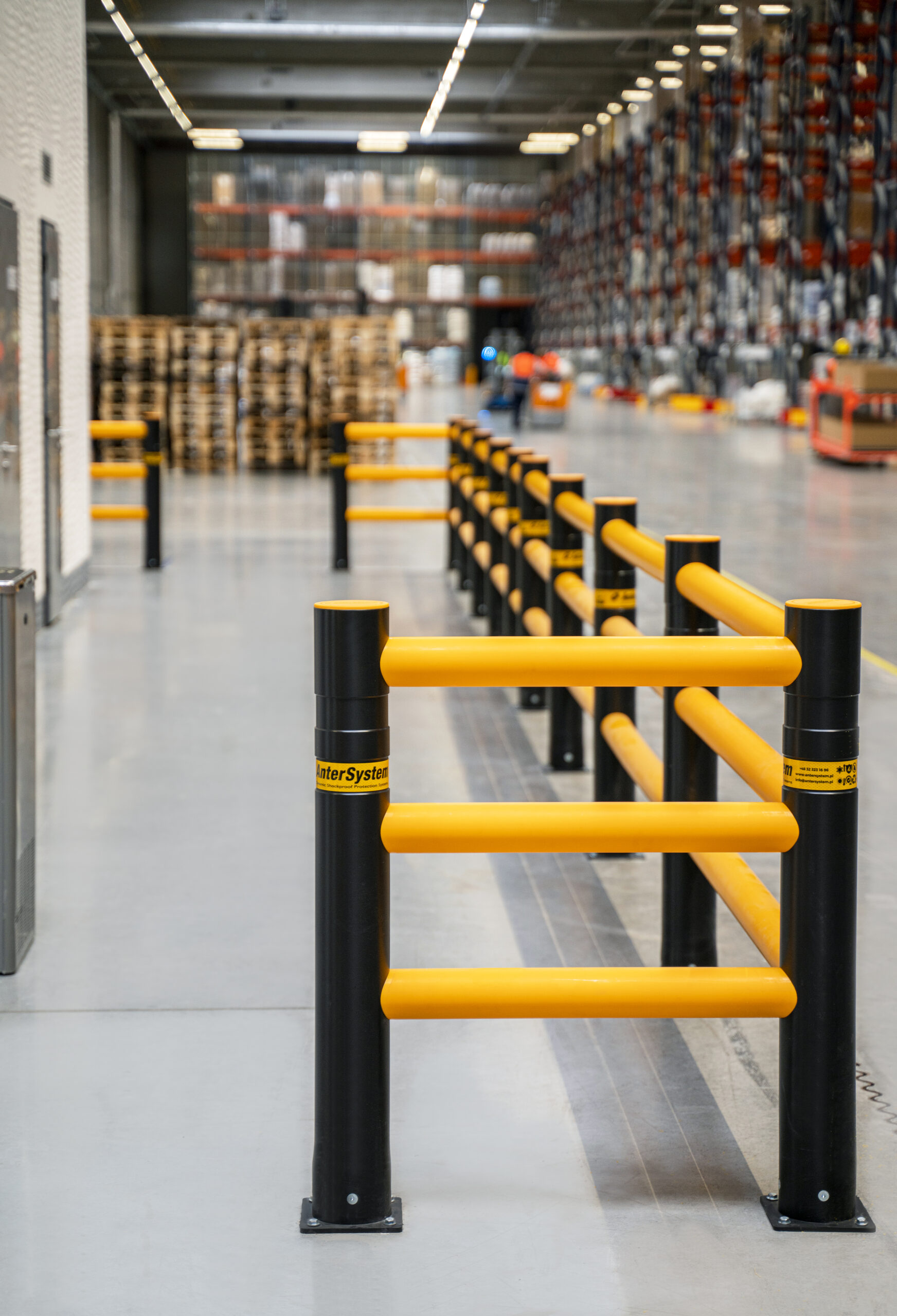
01Traffic BarriersCreate stronger separation along vehicle routes and around higher-risk areas.
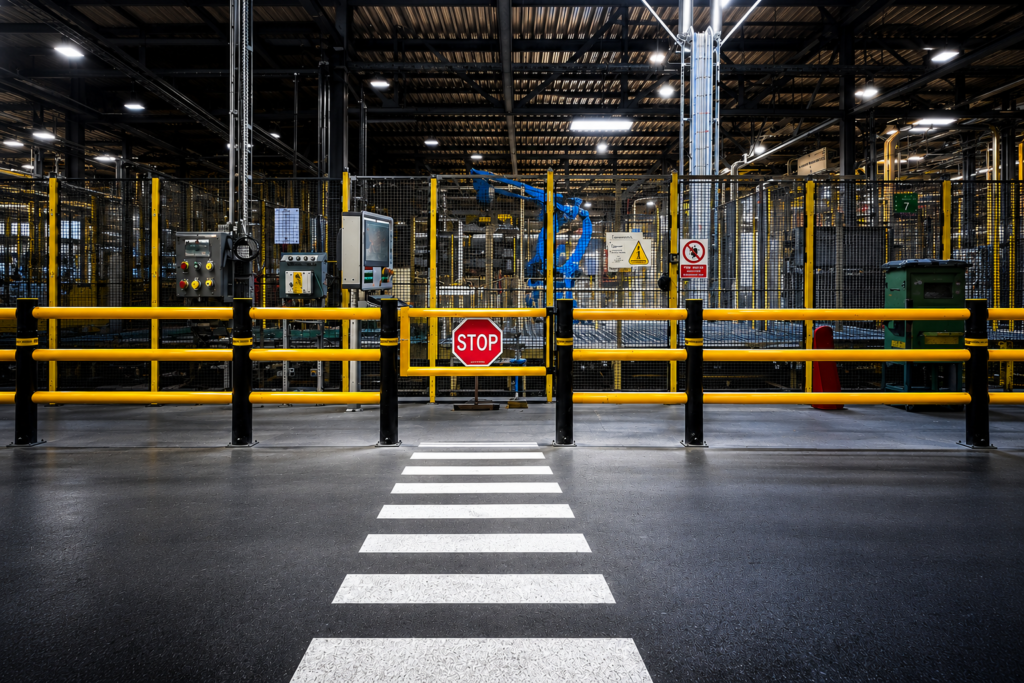
02Pedestrian BarriersDefine and protect walkways where people and vehicles operate nearby.
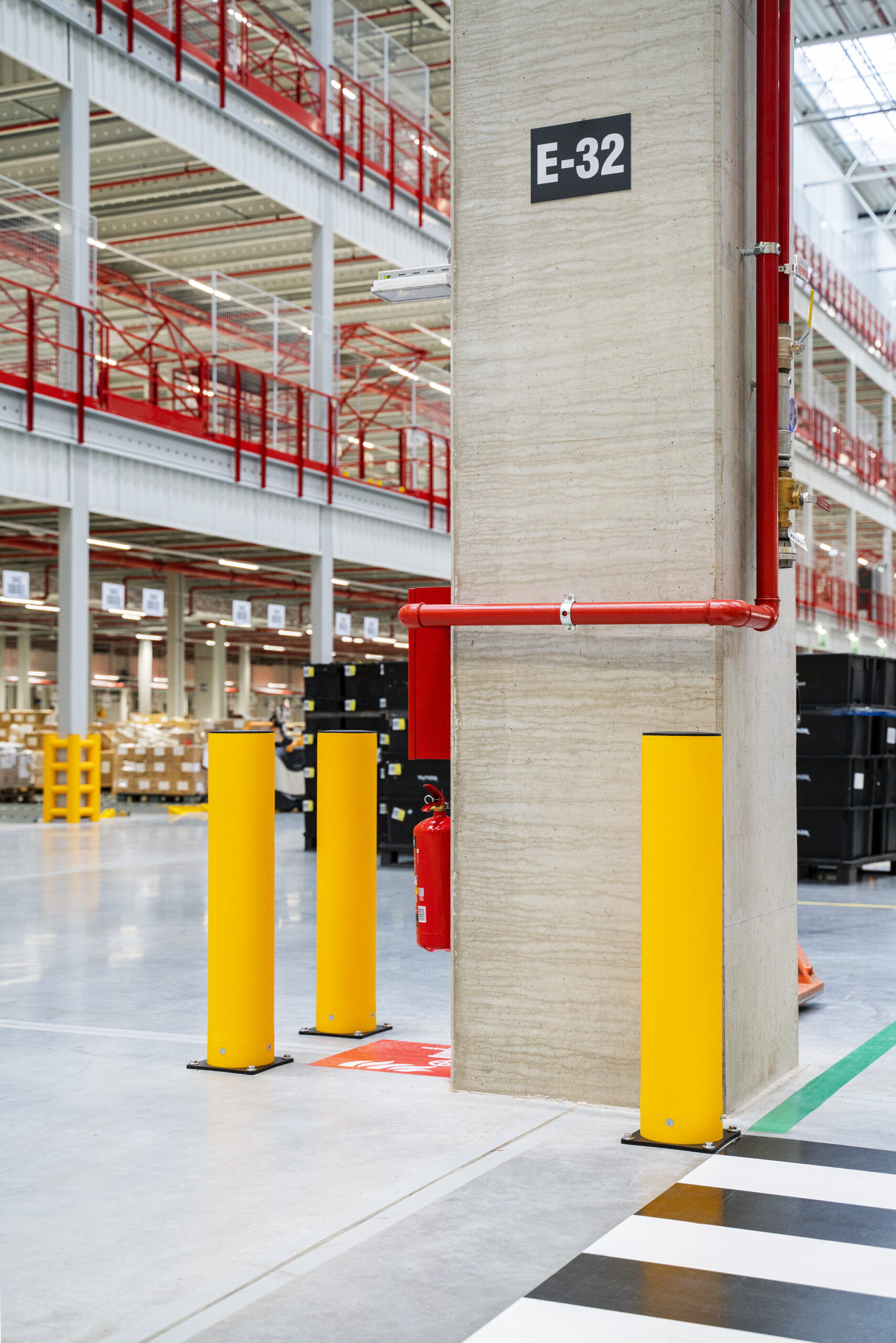
03BollardsProtect corners, access points, equipment and fixed infrastructure from vehicle contact.
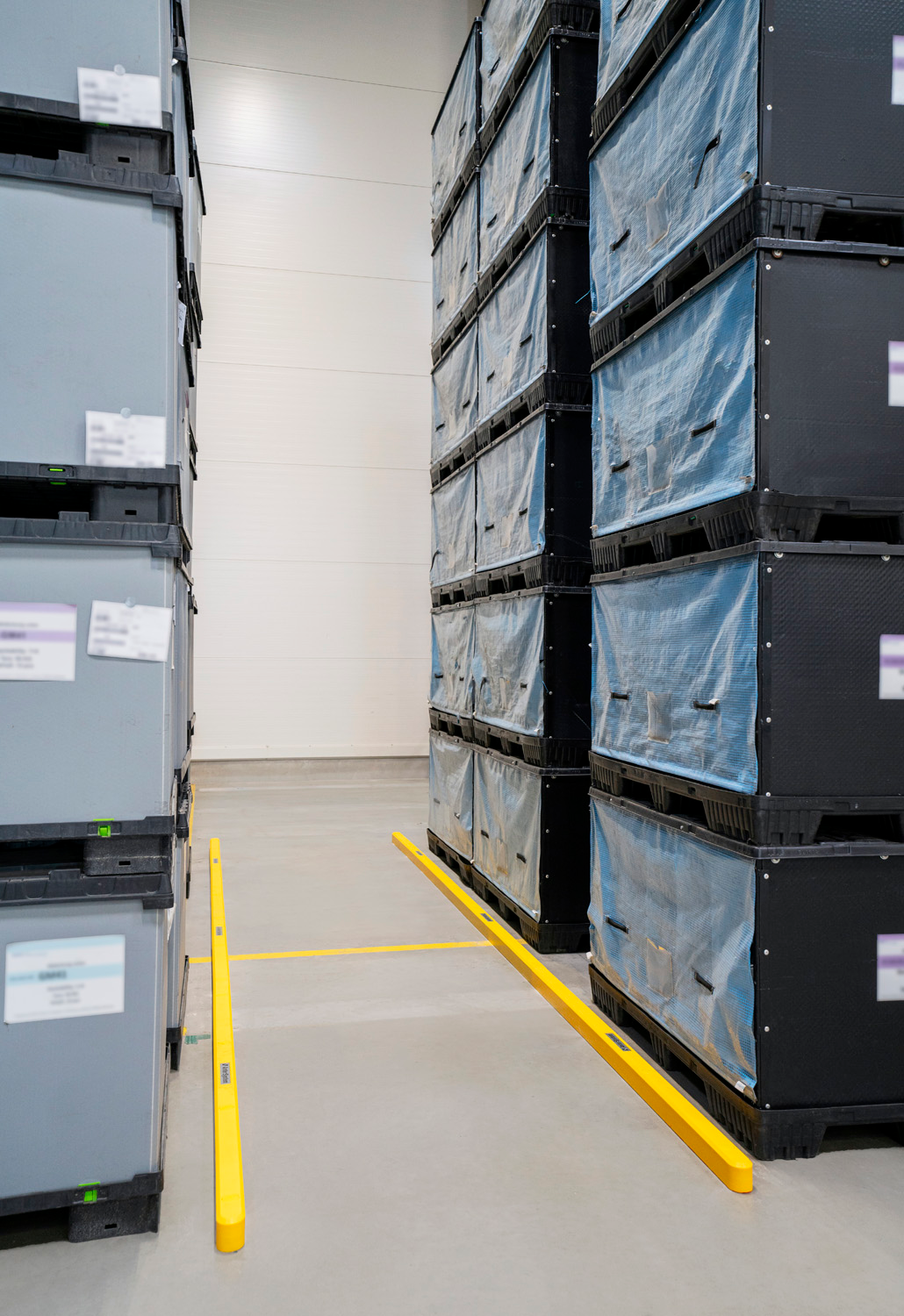
04Kerb BarriersCreate low-level route separation and help control vehicle movement.
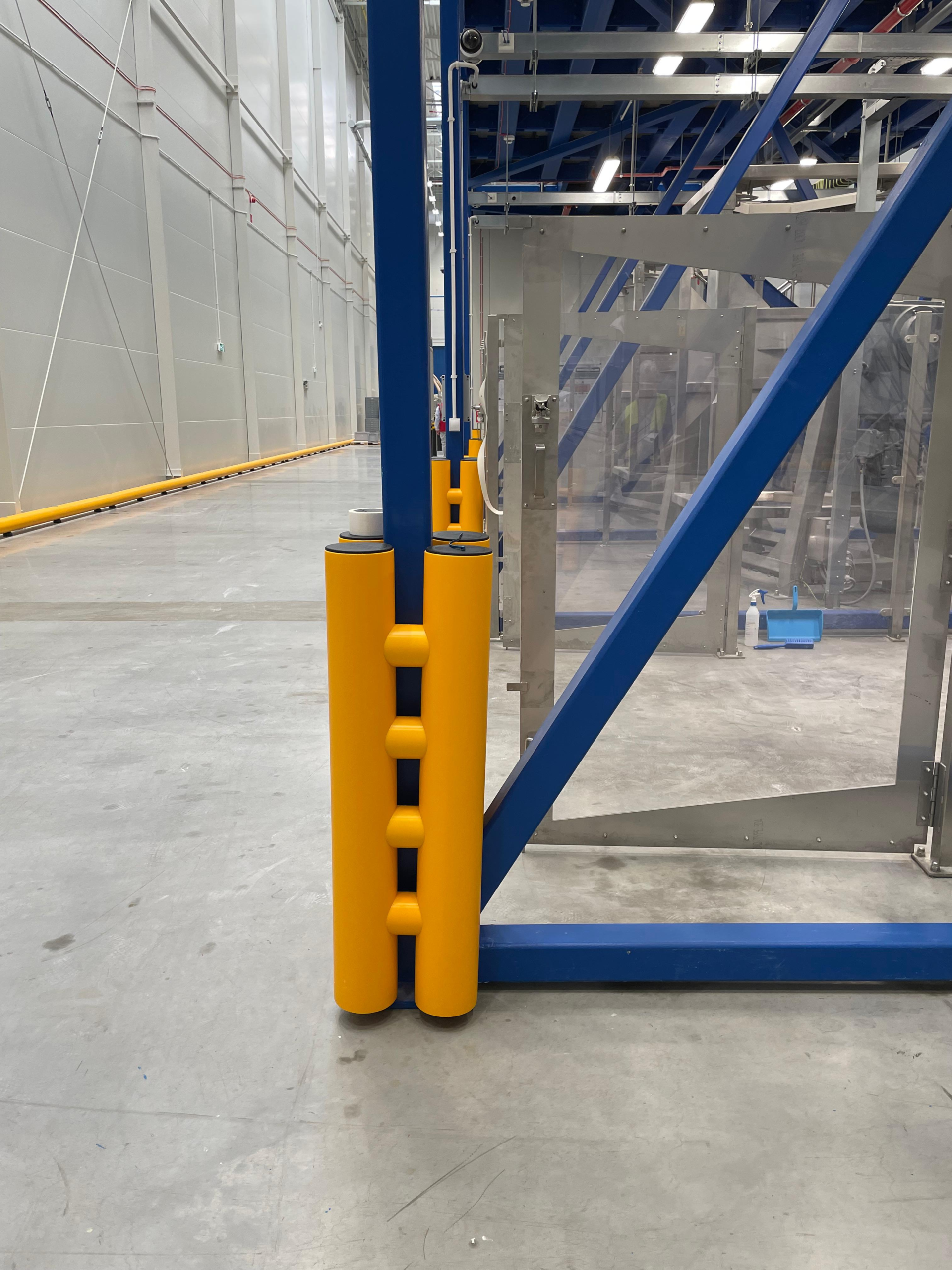
05Rack ProtectionReduce impact exposure around racking uprights and aisle ends.
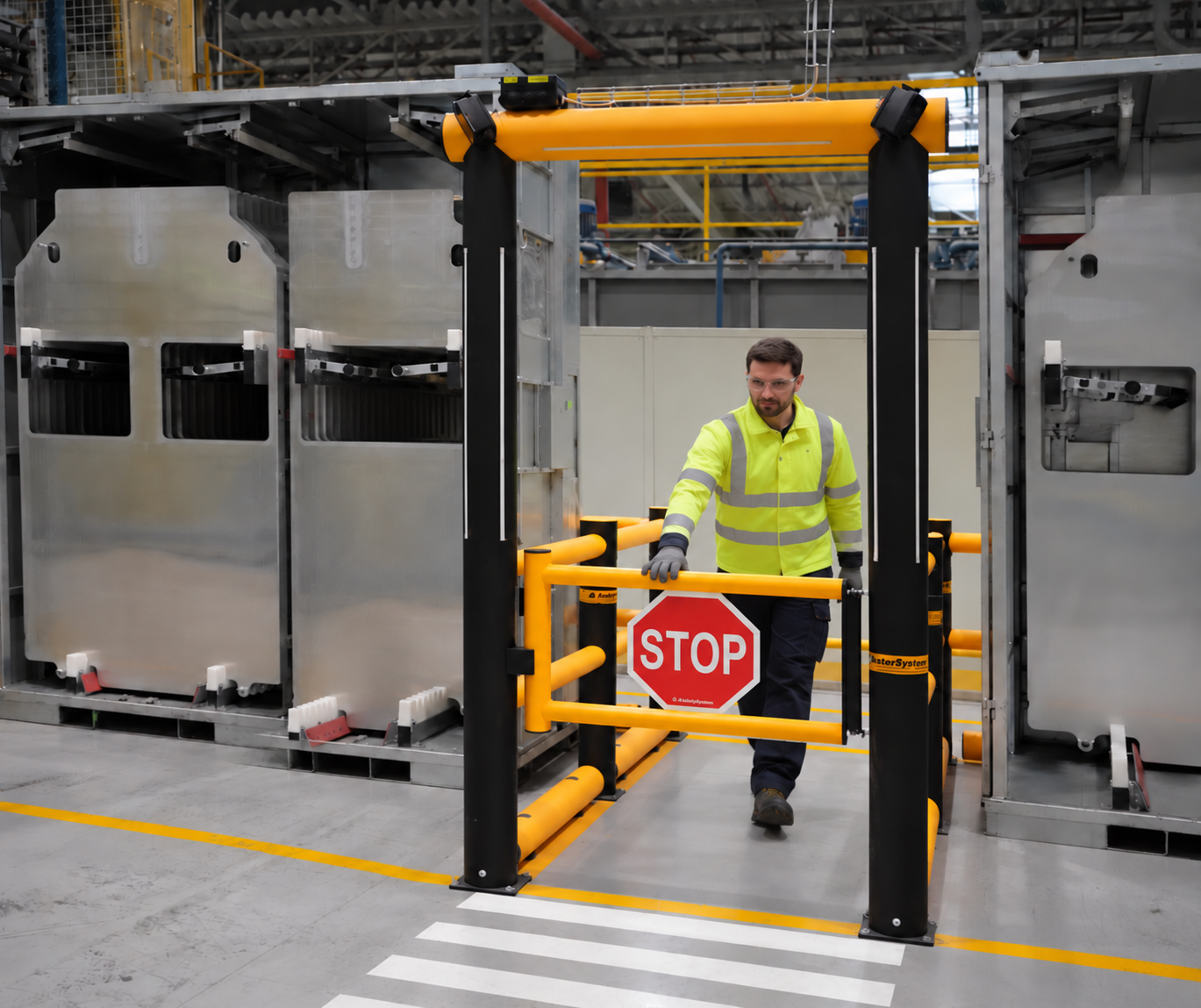
06Swing Doors & GatesProvide controlled pedestrian access through segregated areas.
07Height Restriction BarriersProtect doorways, overhead structures and restricted-height areas.
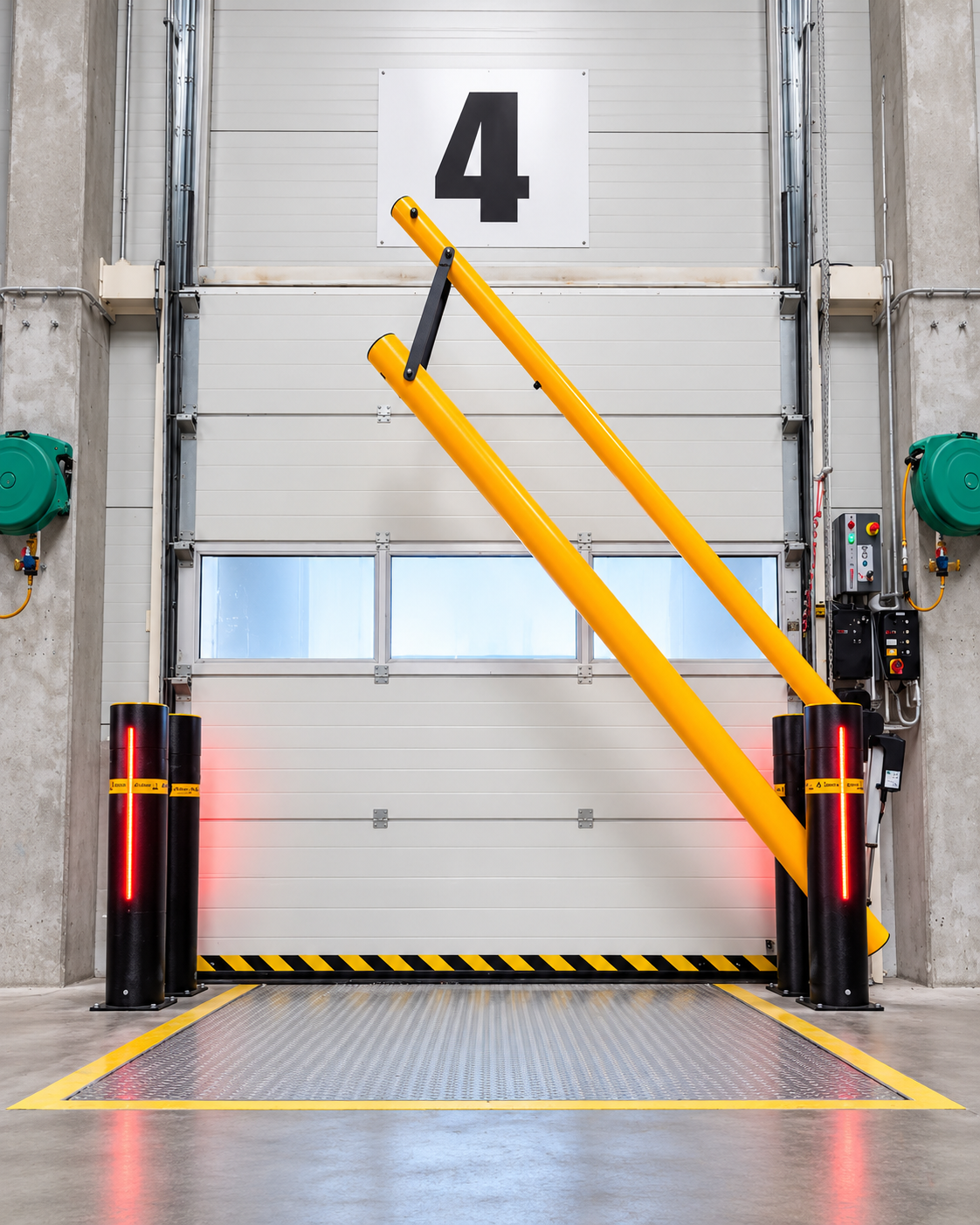
08Dock GatesCreate controlled protection around loading bays and exposed dock edges.

Where Does Your Site Need Stronger Protection?

Speak to WSS™ about the areas where people, vehicles, racking or infrastructure are exposed. Our safety specialists will help you define the risk and identify the most practical barrier approach.

    Speak to Our Safety Specialists