
Heatmaps from AI-powered forklift safety systems can pinpoint where your next incident is most likely to happen, often in places you wouldn’t expect.
By mapping every near miss, sharp brake, and pedestrian interaction, these systems can build a visual “risk map” of your warehouse or site, helping you spot danger zones before they cause real harm.
How Heatmaps Work in Industrial Safety
Modern AI safety systems use onboard cameras, LIDAR, and proximity sensors to track forklift movement and pedestrian presence in real time.
Every interaction, whether it’s a close pass in an aisle or a sudden stop to avoid a collision, it’s all logged. Over time, this data is collected into a heatmap: a visual overlay showing high-frequency activity and near-miss hotspots.
For example:
Red zones
That indicates repeated safety alerts, suggesting high accident potential.
Yellow zones
That
highlights moderate activity, possibly due to layout pinch points.
Green zones
That
shows low activity and minimal safety incidents.
This gives safety managers a powerful way to spot the hazard and act before it causes harm.
What Heatmaps Can Reveal That Checklists Can’t
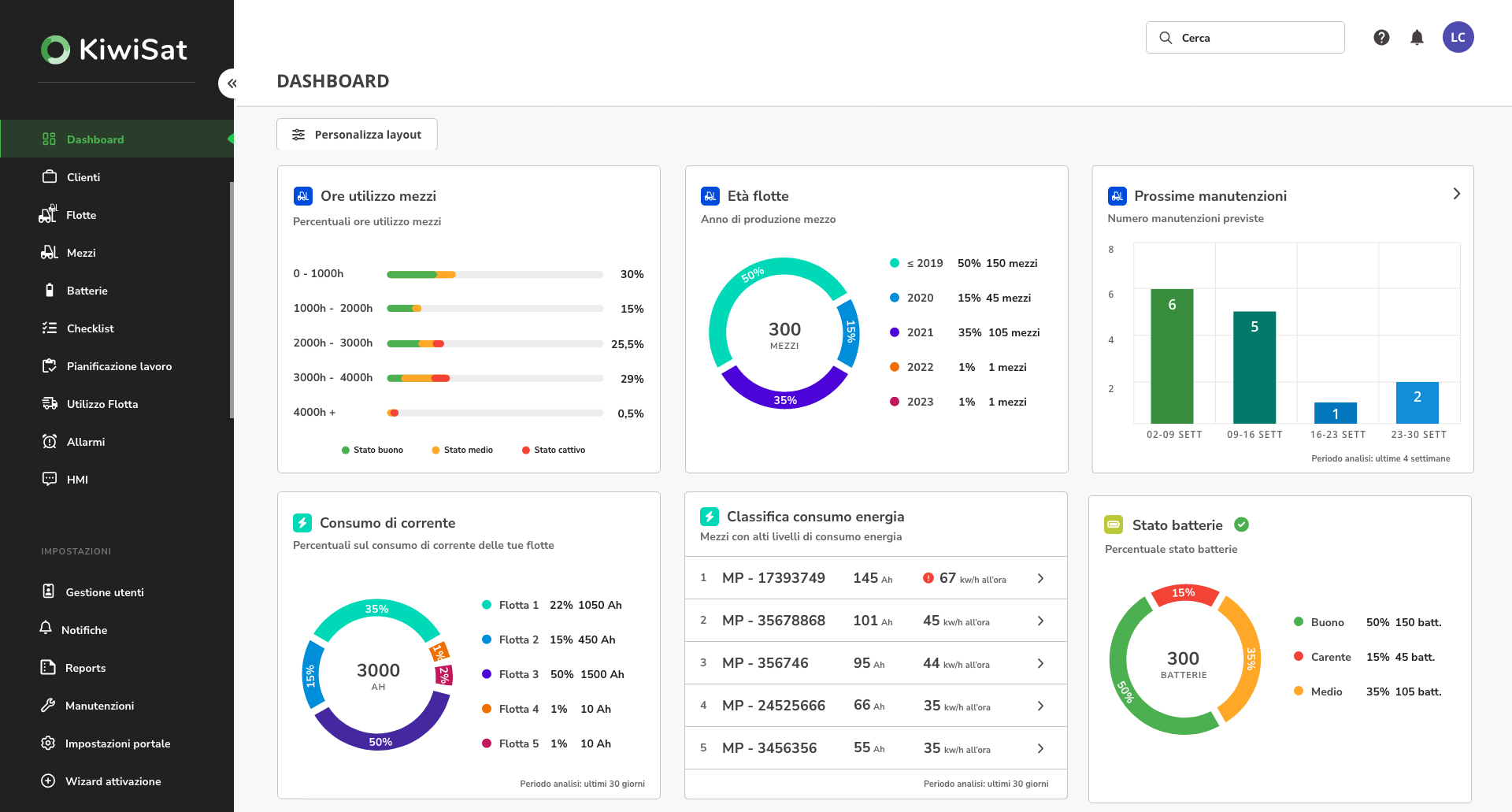
Traditional safety surveys and inspections rely on observation, which often misses transient risks.
Heatmaps reveal:
- Blind spots where operators can’t see pedestrians until it’s almost too late.
- Pedestrian “shortcuts” through forklift operating areas.
- Congested junctions where routes converge.
- Time-based risk patterns, like night-shift chaos or seasonal changes in workflow
This level of detail is difficult to spot in a standard workplace safety survey, but becomes obvious in a visual risk map.
Turning Insight into Action
Once problem areas are identified, you can:
- Redesign traffic flows – creating separate pedestrian and forklift lanes.
- Install physical safety barriers to keep people out of high-risk zones.
- Deploy automated visual warnings, such as LED projected floor signs to reinforce safety in blind corners.
- Re-train operators on approach speeds and safe stopping distances.
One warehouse that adopted heatmap-based monitoring discovered that 80% of near misses occurred at a single doorway.
Installing a motion-triggered warning system there eliminated incidents within weeks.
The Limitations (and How to Avoid Them)

While heatmaps are powerful, they are only as good as the data collected. Poor sensor placement, incorrect detection thresholds, or lack of operator compliance with access control systems can skew results.
To get reliable data:
- Ensure the system is calibrated to your site layout.
- Review and adjust detection sensitivity regularly.
- Combine heatmap analysis with physical site inspections.
Why This Matters for Long-Term Safety
Hidden danger zones are the silent risk factor in many forklift accidents. By making them visible, heatmaps give safety managers the evidence they need to make targeted, cost-effective changes, whether that’s investing in new signage, re-routing traffic, or upgrading safety technology.
If your warehouse relies on guesswork or outdated checklists, heatmaps offer a smarter, more proactive way to reduce risk and improve forklift safety.
Need More Advice on Warehouse Safety Technology?
Contact WSS today for more advice on implementing new risk reduction technology.